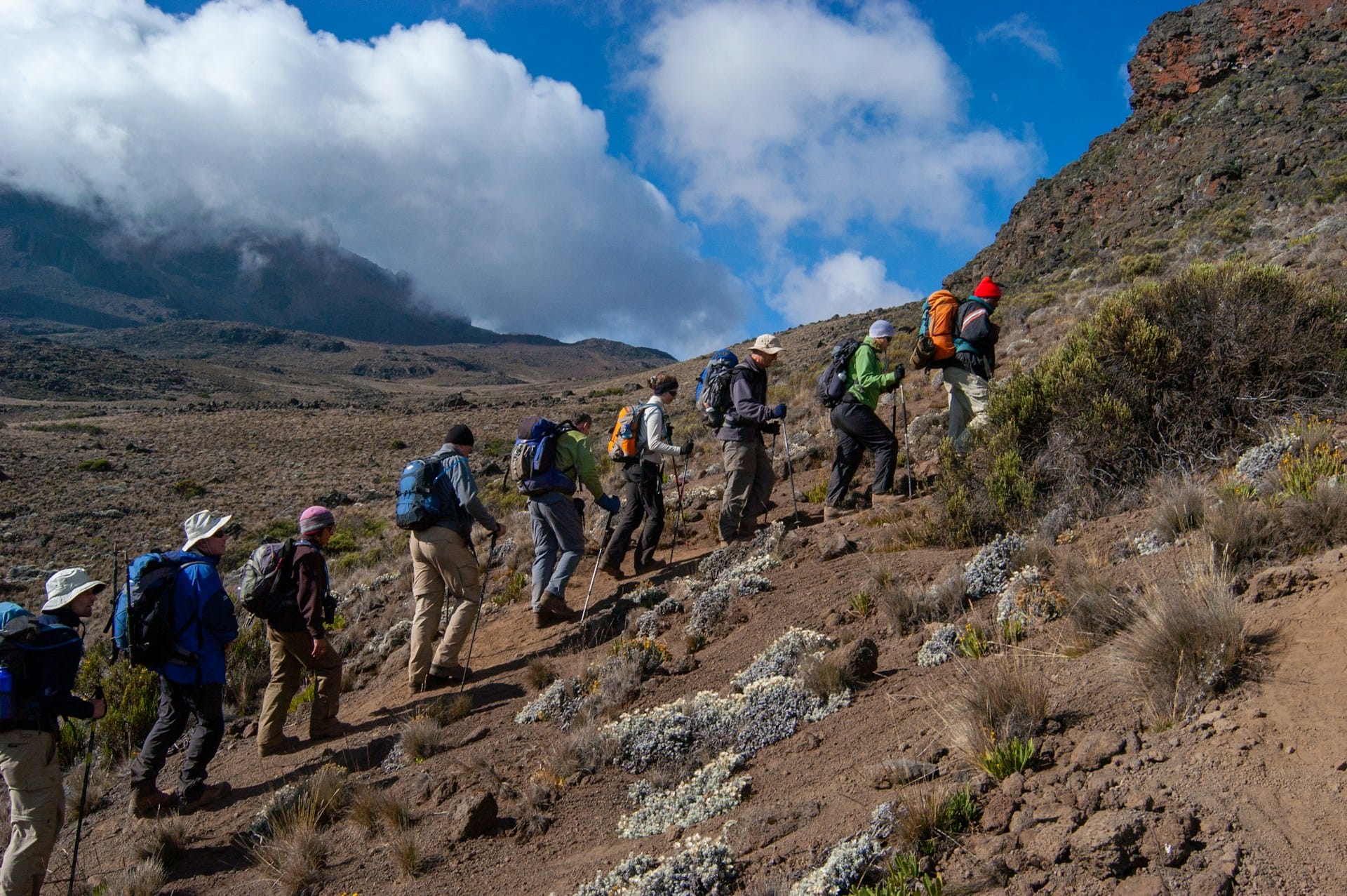
Standing at 5,895 meters (19,341 feet) above sea level, Mount Kilimanjaro represents one of the most achievable yet profoundly rewarding high-altitude climbs on Earth. Unlike technical mountaineering expeditions that require advanced climbing skills, Kilimanjaro is fundamentally a challenging trek that demands mental fortitude, proper preparation, and respect for altitude. This comprehensive climbing guide will walk you through every aspect of your Kilimanjaro adventure, from understanding the mountain’s unique characteristics to reaching Uhuru Peak and safely descending.
Mount Kilimanjaro is a dormant stratovolcano composed of three distinct volcanic cones: Kibo (the highest), Mawenzi, and Shira. What makes this mountain extraordinary is its position just three degrees south of the equator, creating a unique ecological phenomenon where you’ll trek through five distinct climate zones in a matter of days.
Your journey begins in the cultivated farmlands surrounding the mountain’s base, where Chagga people have grown coffee and bananas for generations. As you ascend, you’ll pass through lush montane rainforest dripping with moisture and alive with colobus monkeys and exotic birds. The forest gives way to heath and moorland, where giant groundsels and lobelias create an otherworldly landscape. Higher still, you’ll traverse alpine desert where little vegetation survives the extreme conditions. Finally, you’ll reach the arctic summit zone, where glaciers cling to Kibo’s crater despite the equatorial sun.
This remarkable diversity occurs because Kilimanjaro rises so dramatically from the surrounding plains. The mountain creates its own weather systems, and temperature drops approximately 1 degree Celsius for every 200 meters of elevation gained. At the summit, temperatures regularly plummet to minus 20 degrees Celsius, while the base remains tropical year-round.
Successfully summiting Kilimanjaro requires no technical climbing skills, but don’t let this fool you into underestimating the challenge. The climb demands excellent cardiovascular fitness, mental resilience, and the ability to walk continuously for six to eight hours daily while carrying a daypack at high altitude.
Begin your training at least four to six months before your climb. Focus on building aerobic endurance through activities like hiking, running, cycling, or swimming. Aim for four to five cardio sessions weekly, gradually increasing duration and intensity. Long hikes with elevation gain prove particularly valuable, especially if you can train while carrying a weighted backpack of 5 to 8 kilograms.
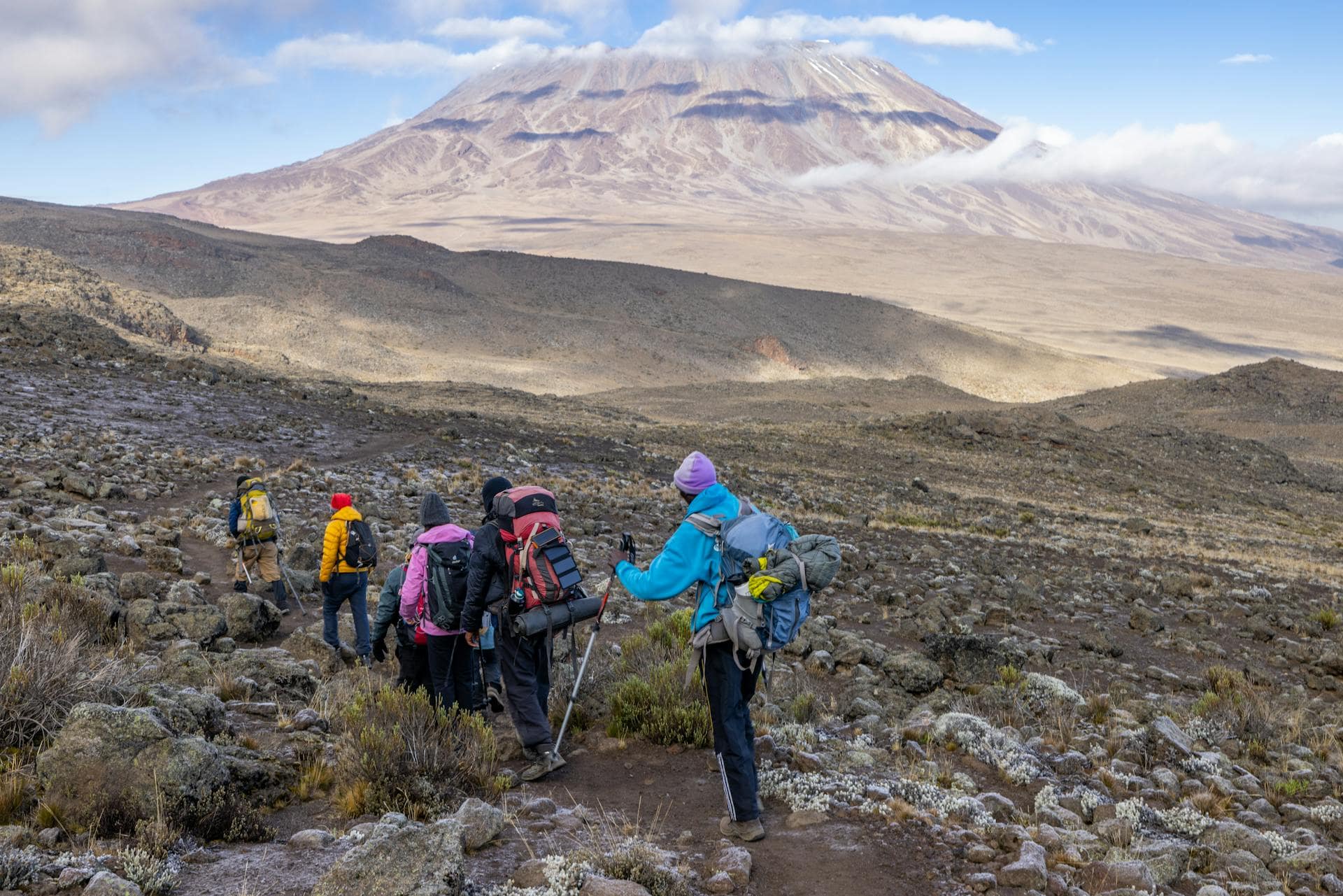
Strength training shouldn’t be neglected. Focus on legs, core, and back muscles that will support you during long trekking days. Squats, lunges, step-ups, and planks should become your regular companions. Strong legs will help you navigate steep sections, while core strength aids with balance on uneven terrain and reduces fatigue.
If you live at sea level, you cannot fully acclimatize before arrival, but you can optimize your body’s efficiency. Incorporate high-intensity interval training to improve your VO2 max, which helps your body utilize oxygen more effectively. Some climbers spend time at moderate altitude before their Kilimanjaro attempt, though this isn’t essential for success.
Mental preparation often proves as crucial as physical conditioning. Summiting Kilimanjaro requires pushing through discomfort, managing altitude symptoms, and maintaining determination when your body wants to quit. Visualization techniques, meditation, and developing positive mental scripts help many climbers overcome challenging moments. Remember, summit night typically involves six to eight hours of climbing in darkness, extreme cold, and thin air – mental toughness will carry you when physical strength wavers.
Tanzanian regulations require all Kilimanjaro climbers to book through registered tour operators and be accompanied by licensed guides. This requirement exists for good reasons: safety, environmental protection, and supporting local communities. Your choice of operator significantly impacts your experience, success rate, and the welfare of mountain crew.
When researching tour companies, prioritize those with strong ethical practices. Reputable operators pay fair wages, provide proper equipment and food for porters, limit porter loads to regulation maximums, and maintain quality camping equipment. Organizations like the Kilimanjaro Porters Assistance Project (KPAP) certify companies meeting ethical standards.
Guide qualifications matter enormously. Experienced guides recognize altitude sickness symptoms, adjust pacing appropriately, know when to turn clients around for safety, and handle emergencies effectively. Ask potential operators about guide training, certification, and experience. The best guides complete wilderness first aid training, speak excellent English, and have summited hundreds of times.
Group size affects your experience significantly. Smaller groups (four to eight climbers) often enjoy better guide attention, more flexibility, and enhanced camaraderie. Larger groups may offer lower costs but can feel impersonal and move at the slowest member’s pace. Private climbs provide maximum flexibility and personalized pacing but cost considerably more.
Don’t make your decision based solely on price. Rock-bottom prices usually mean corners are cut somewhere – often in porter welfare, food quality, or equipment condition. Mid-range to premium operators typically offer better success rates, superior equipment, more experienced guides, and ethical treatment of mountain staff.
Acute mountain sickness (AMS) represents the primary reason climbers fail to reach Uhuru Peak. As you ascend, atmospheric pressure decreases, meaning less oxygen enters your bloodstream with each breath. Your body needs time to adapt through increased red blood cell production, elevated breathing rate, and other physiological adjustments.
The golden rule of high-altitude trekking is “climb high, sleep low.” Many routes incorporate acclimatization hikes where you ascend to higher elevations during the day before descending to sleep at lower camps. This strategy triggers adaptation while allowing recovery at less stressful altitudes
Choosing longer routes dramatically improves summit success rates. Seven or eight-day itineraries allow significantly better acclimatization than five or six-day routes. Statistics consistently show that longer routes yield success rates of 85 to 95 percent, while shorter routes often have success rates below 70 percent. The extra days cost more but substantially increase your chances of standing atop Africa.

Pacing proves crucial for acclimatization. Guides will constantly remind you to walk “pole pole” (slowly, slowly in Swahili). This advice isn’t about fitness – even ultra-marathon runners must walk slowly on Kilimanjaro. Measured pacing reduces oxygen demand, lowers heart rate, and helps prevent altitude sickness. Resist any urge to race ahead; the tortoise always beats the hare at altitude.
Hydration directly impacts acclimatization. Aim to drink four to five liters of water daily at altitude. Adequate hydration helps prevent altitude sickness, reduces headaches, and aids physical performance. Your urine should remain clear or pale yellow. Dark urine signals dehydration, which exacerbates altitude problems.
Diamox (acetazolamide) is a medication many climbers use to prevent and treat altitude sickness. It works by acidifying blood, which stimulates breathing and aids acclimatization. Consult your doctor about whether Diamox suits you. If prescribed, start taking it one to two days before beginning your ascent. Common side effects include tingling in fingers and toes and increased urination.
Understanding what each day involves helps you prepare mentally and physically for the Kilimanjaro experience. Most days follow similar patterns, though intensity and altitude effects increase as you climb higher.
Mornings begin early, typically between 6:00 and 7:00 AM. Camp staff wake you with hot washing water delivered to your tent – a small luxury that feels magnificent in the cold mountain air. After washing, you’ll pack your gear into your duffel bag for porters to carry, keeping only essentials in your daypack.
Breakfast is served in the mess tent, usually featuring porridge, eggs, toast, fruit, and hot beverages. Eat heartily even if altitude reduces your appetite; you’ll need the energy. After breakfast, guides brief the day’s route, elevation gain, and expected duration.
Trekking typically begins between 8:00 and 9:00 AM. Your pace will feel extraordinarily slow, especially if you’re fit. Trust this pace – guides know that slow and steady prevents altitude sickness and conserves energy for summit night. Guides frequently stop for short breaks where you’ll drink water, snack, and rest briefly.
Lunch usually occurs at a scenic spot along the trail. Porters who departed camp before you arrive ahead and prepare hot meals. After lunch and rest, you continue to that evening’s camp, typically arriving by mid to late afternoon.
Upon reaching camp, you’ll find your tent already erected and your duffel bag inside. Wash water is provided, followed by afternoon tea or coffee with biscuits and popcorn – a welcome treat after hours of trekking. Dinner is served around 7:00 PM and typically includes soup, a main course of rice or pasta with vegetables and protein, and dessert.
After dinner, guides check each climber’s vital signs: pulse, blood oxygen saturation, and general condition. They’ll ask about altitude symptoms and adjust the next day’s plans if anyone shows concerning signs. By 9:00 PM, most climbers are in their sleeping bags, resting for the next day.
Summit night represents the most physically and mentally demanding section of your Kilimanjaro climb. You’ll begin around midnight, trekking through darkness toward Uhuru Peak for sunrise. This timing isn’t arbitrary – volcanic scree is frozen solid at night, providing firm footing. As the sun rises and ice melts, the scree becomes loose and exhausting to climb.
Expect to wake around 11:00 PM for a light meal of tea and biscuits. Dress in all your warm layers; temperatures often drop to minus 20 Celsius with strong winds. Headlamps illuminate the serpentine line of climbers ascending the mountain, creating an ethereal scene of lights winding upward through darkness.
The climb from Barafu Camp or similar high camps to Uhuru Peak takes six to eight hours and covers roughly 1,200 meters of elevation gain. Progress is excruciatingly slow – often one step, two breaths, another step. The thin air at this altitude contains roughly half the oxygen available at sea level. Many climbers experience nausea, headaches, and extreme fatigue. Mental strength becomes paramount during summit night. Your body will suggest stopping, your mind will question why you're doing this, and the cold will penetrate despite your layers. This is where preparation meets determination. Focus on small goals – the next switchback, the next rest stop, the next hour. Many climbers use mantras, visualizations, or memories of loved ones to push through difficult moments.
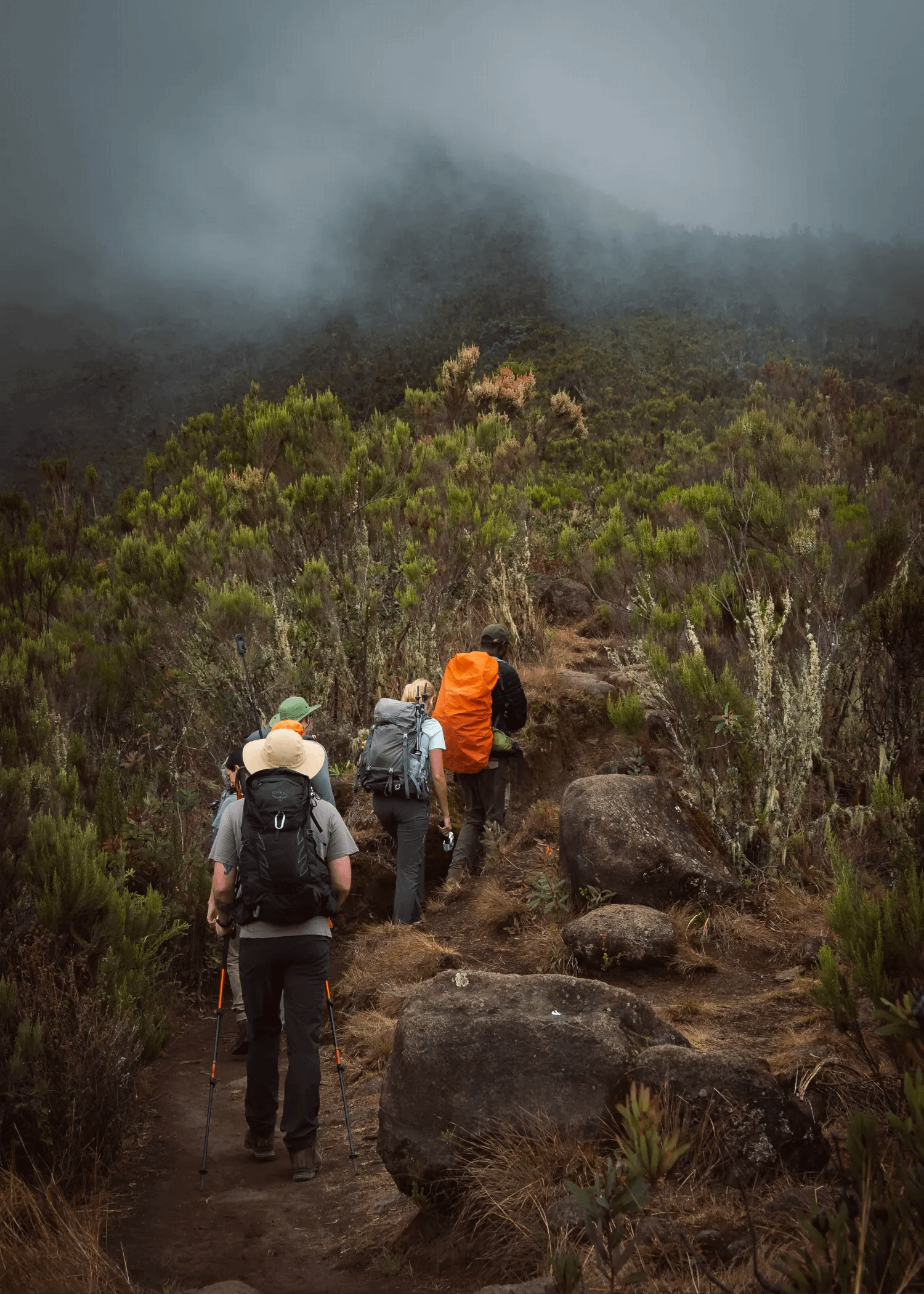
The route typically passes Stella Point (5,739 meters) on the crater rim before the final push to Uhuru Peak. Reaching Stella Point means you’ve conquered the steepest section. The walk around the crater rim to Uhuru takes another one to two hours but feels more manageable despite the altitude.
Reaching Uhuru Peak at sunrise ranks among life’s most profound moments. As the sun illuminates the glaciers and casts shadows across the crater, exhaustion temporarily fades. You’ll take summit photos with the famous sign before beginning the long descent. Don’t linger too long – altitude effects worsen the longer you remain at extreme elevation.
Many climbers focus entirely on reaching the summit, underestimating the descent’s challenges. More accidents occur during descent than ascent due to fatigue, relaxed concentration, and the pounding impact on knees and toes.
After summiting, you’ll descend back to high camp for a brief rest and food before continuing down to a lower camp. This means you might trek for 12 to 16 hours on summit day, losing and gaining significant elevation. Trekking poles prove invaluable for protecting knees during steep descents.
The rapid descent often triggers euphoria as oxygen levels increase and altitude symptoms disappear. However, remain cautious – tired legs and loose volcanic scree create opportunities for falls. Take your time, watch foot placement, and use trekking poles for stability.
Most routes complete the final descent on the day after summit night, hiking through moorland and rainforest back to the park gate. Your legs will be exhausted, toenails blackened from downhill pounding, but spirits typically soar. At the gate, you’ll receive your summit certificate – an official document confirming your achievement.
Post-climb recovery takes time. Most climbers experience extreme fatigue for several days. Appetite returns quickly once at lower altitude, and celebratory meals become welcome indulgences. Sleep long and deeply for the first few nights. Mild swelling in hands and feet is normal and resolves within days. Blackened toenails may take months to grow out but cause no concern.
Climbing Mount Kilimanjaro transcends physical achievement. The mountain teaches lessons about patience, respect for nature, human resilience, and the rewards of persistence. You’ll forge bonds with fellow climbers who shared the challenge, develop deep respect for mountain crews who make your journey possible, and carry memories that endure lifelong.
Success on Kilimanjaro requires thorough preparation, realistic expectations, and commitment to the journey rather than obsession with the summit alone. Many climbers discover that the most meaningful moments occur along the trail – watching sunrise illuminate glaciers from your tent, sharing stories with guides over dinner, or helping a struggling fellow climber reach Stella Point.
Approach Kilimanjaro with humility, prepare thoroughly, listen to your guides, respect the mountain’s power, and embrace every moment from rainforest to summit. Whether you reach Uhuru Peak or turn back due to altitude, attempting Kilimanjaro represents a victory in courage, determination, and adventure. The mountain will be there long after we’re gone, standing as testament to Earth’s majesty and humanity’s enduring desire to explore, challenge ourselves, and stand atop the highest points we can reach.
No technical climbing skills are required. Kilimanjaro is fundamentally a challenging high-altitude trek rather than a technical mountaineering expedition. You won't need ropes, ice axes, or crampon experience. However, don't underestimate the challenge—you'll need excellent cardiovascular fitness, mental resilience, and the ability to walk six to eight hours daily at high altitude while carrying a daypack. The difficulty comes from altitude, not technical climbing.
Begin training at least four to six months before your climb. Focus on building aerobic endurance through hiking, running, cycling, or swimming, aiming for four to five cardio sessions weekly. Include strength training for legs, core, and back muscles. Long hikes with elevation gain while carrying a 5-8 kilogram weighted backpack prove particularly valuable. High-intensity interval training can also improve your VO2 max, helping your body utilize oxygen more effectively at altitude.
Acute mountain sickness (AMS) is the primary reason climbers fail to reach Uhuru Peak. As you ascend, atmospheric pressure decreases and less oxygen enters your bloodstream. The key to preventing this is choosing longer routes—seven or eight-day itineraries have success rates of 85-95%, while shorter five or six-day routes often have success rates below 70%. The extra acclimatization days dramatically improve your chances of standing atop Africa.
our tour operator choice significantly impacts your experience, success rate, and crew welfare. Prioritize companies with strong ethical practices that pay fair wages, provide proper equipment for porters, and maintain quality gear. Look for operators certified by organizations like the Kilimanjaro Porters Assistance Project (KPAP). Experienced guides with wilderness first aid training, excellent English, and hundreds of summits make an enormous difference. Don't choose based solely on price—rock-bottom costs usually mean corners are cut in porter welfare, food quality, or equipment.
Summit night is the most physically and mentally demanding part of your climb. You'll wake around 11:00 PM and begin trekking around midnight, climbing through darkness toward Uhuru Peak for sunrise. The ascent takes six to eight hours, covering roughly 1,200 meters of elevation gain in temperatures often dropping to minus 20 Celsius. Progress is excruciatingly slow—one step, two breaths, another step—as the thin air contains roughly half the oxygen available at sea level. Mental toughness becomes paramount as you battle nausea, headaches, extreme fatigue, and penetrating cold.
Aim to drink four to five liters of water daily at altitude. Adequate hydration directly impacts acclimatization, helps prevent altitude sickness, reduces headaches, and aids physical performance. Your urine should remain clear or pale yellow—dark urine signals dehydration, which exacerbates altitude problems. This may seem like an excessive amount, but proper hydration is one of the most important factors in your summit success.
The descent presents significant challenges that are often underestimated. More accidents occur during descent than ascent due to fatigue, relaxed concentration, and pounding impact on knees and toes. After summiting, you'll descend to high camp for brief rest before continuing to a lower camp—meaning you might trek 12-16 hours on summit day. Trekking poles prove invaluable for protecting your knees on steep descents through loose volcanic scree. Most routes complete the final descent the day after summit night, returning through moorland and rainforest to the park gate where you'll receive your official summit certificate.

We believe adventure should inspire, not exploit. Every expedition we guide creates meaningful employment for local families, supports community development, and preserves the natural wonders we’re privileged to explore.
* Sign up to receive curated travel ideas, seasonal discounts.
Copyright © 2025 All Rights Reserved.