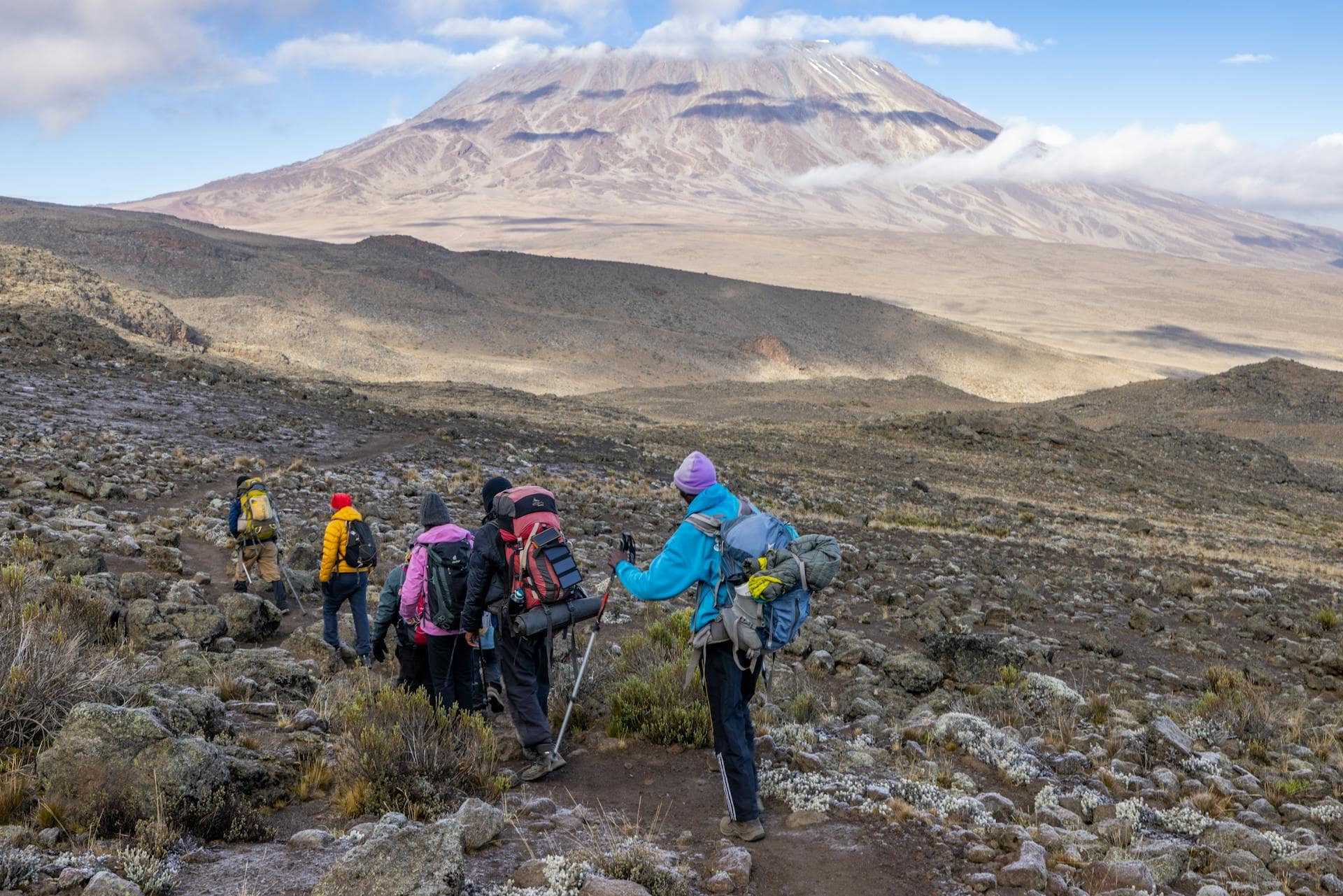
Timing your Mount Kilimanjaro expedition can mean the difference between an extraordinary experience and a challenging ordeal. While this majestic peak can technically be climbed year-round, weather patterns, trail conditions, and crowd levels vary dramatically throughout the year. Understanding Kilimanjaro’s seasonal rhythms allows you to select the optimal window for your abilities, preferences, and goals. This comprehensive guide examines every aspect of Kilimanjaro’s seasons to help you choose the perfect time for your African adventure.
Mount Kilimanjaro’s proximity to the equator creates a unique climate system distinct from typical alpine environments. Rather than experiencing four traditional seasons, Kilimanjaro weather revolves around two primary factors: the position of the Intertropical Convergence Zone and the Indian Ocean monsoon patterns. These forces create wet and dry periods that govern climbing conditions.
The mountain generates its own microclimate due to its dramatic rise from surrounding plains. As moisture-laden air from the Indian Ocean encounters Kilimanjaro, it’s forced upward, cools, and releases precipitation. This phenomenon means the southern and eastern slopes receive significantly more rainfall than western and northern approaches, creating notably different conditions on various routes during the same period.
Temperature on Kilimanjaro correlates directly with altitude rather than season. At the base, temperatures remain tropical year-round, hovering between 20 and 30 degrees Celsius. For every 200 meters of elevation gain, temperature drops approximately 1 degree Celsius. At the summit, temperatures range from minus 20 to minus 5 degrees Celsius regardless of season, though wind chill can make it feel far colder.
Precipitation patterns vary substantially by elevation zone. The montane rainforest (1,800 to 2,800 meters) receives the most rainfall, sometimes experiencing precipitation even during dry seasons. The heath and moorland zone (2,800 to 4,000 meters) sees moderate rainfall. Above 4,000 meters, precipitation is minimal, though summit weather remains unpredictable with sudden storms possible anytime.
Kilimanjaro features two main climbing seasons when conditions are most favorable: January to mid-March and June to October. These windows offer the most stable weather, clearer skies, and better trail conditions, making them the preferred periods for most climbers.
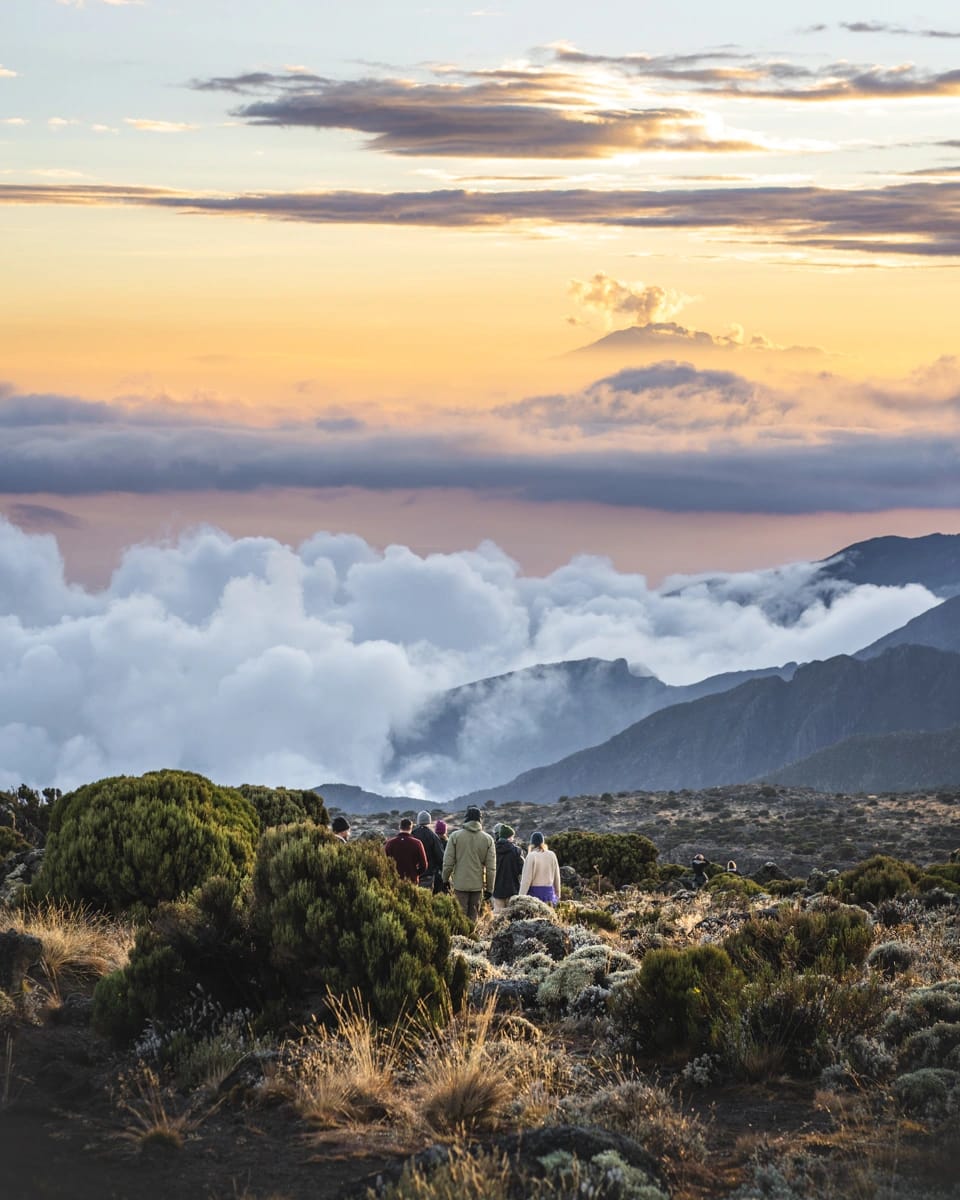
The shorter dry season from January through mid-March provides excellent climbing conditions with distinct advantages. This period follows the short rains of November and December, meaning vegetation is lush and vibrant, creating spectacular scenery in lower zones. The landscape appears refreshed and green, offering stunning photography opportunities.
Weather during these months tends to be slightly warmer than the longer dry season, making lower elevations more comfortable. Summit temperatures remain brutally cold, but camps at mid-elevations feel more pleasant. Clear mornings are common, though afternoon clouds sometimes develop, particularly on southern routes.
January and February represent some of the clearest months on Kilimanjaro. Visibility is often exceptional, offering breathtaking views of the surrounding plains, neighboring Mount Meru, and distant horizons. Sunset and sunrise displays can be spectacular, with the clear atmosphere creating vivid colors.
Crowds during the shorter dry season are moderate. You’ll share the mountain with other climbers but won’t experience the congestion common in peak months. This balance provides social opportunities without overwhelming popular campsites. Some climbers prefer this period precisely because it offers good weather without excessive crowds.
One consideration for this season is the possibility of lingering effects from December rains. Occasionally, the short rainy season extends slightly into January, though this is relatively uncommon. Trails in the rainforest zone may be muddy initially, though they typically dry within weeks.
February is particularly popular among climbers seeking to avoid winter in the Northern Hemisphere. School holidays and work schedules make February convenient for many international visitors. Additionally, climbing in February allows you to experience both Kilimanjaro and other Tanzanian attractions like the Serengeti during an excellent wildlife viewing period.
The longer dry season from June through October represents Kilimanjaro’s most popular climbing period. These months offer the most stable and predictable weather conditions, making them ideal for risk-averse climbers or those on tight schedules.
June marks the beginning of this season, following the long rains of March through May. Initially, trails may retain some moisture, but by mid-June, conditions are typically excellent. The landscape appears drier than in the shorter dry season, with less lush vegetation, but compensates with incredibly stable weather patterns.
July and August constitute peak climbing season on Kilimanjaro. Weather during these months is extraordinarily reliable, with minimal precipitation and abundant sunshine. Clear days are the norm, offering spectacular views and ideal photography conditions. Night skies are often crystal clear, providing stunning stargazing opportunities.
However, July and August also bring the largest crowds. Popular routes, particularly Machame and Marangu, can feel congested during these months. Campsites reach capacity, and you’ll encounter dozens or even hundreds of other climbers on the mountain. Some people thrive on this social atmosphere, while others find it detracts from the wilderness experience.
September represents a sweet spot for many experienced climbers. Weather remains excellent, rivaling July and August conditions, but crowds begin thinning as European and North American summer holidays end. You’ll still share the mountain but enjoy a less congested experience. Prices may also decrease slightly compared to peak season.
October extends the dry season but transitions gradually toward the short rains. Early October typically offers good conditions similar to September, though afternoons may see increased cloud cover. Late October becomes less predictable as the short rains approach. Many operators consider October a shoulder season with accordingly adjusted pricing.
Temperature during the longer dry season tends to be cooler than the shorter dry season, particularly at higher elevations. Summit temperatures can be especially harsh in July and August when clear skies allow maximum radiative cooling at night. Proper cold-weather gear becomes absolutely essential during these months.
The short rains typically begin in early November and continue through mid-December, though timing and intensity vary yearly. This period brings afternoon thunderstorms, muddy trails, and obscured views, but it’s not continuously wet. Mornings often start clear before clouds build and precipitation develops.
The short rains affect lower elevations most significantly. The rainforest zone becomes muddy and slippery, requiring careful footing. Moorland and alpine zones receive less precipitation, often experiencing snow rather than rain. Summit conditions remain similar to dry season, though visibility may be reduced.
Crowds are minimal during the short rains. If you value solitude and don’t mind weather uncertainty, this period offers a nearly private mountain experience. Campsites feel empty, and you may go entire days without encountering other climbing parties. For some adventurers, this solitude justifies the weather challenges.
Discounts are common during the short rains. Tour operators often reduce prices by 10 to 20 percent to attract climbers during this slower period. Budget-conscious climbers can find significant savings, though success rates may be lower due to weather.
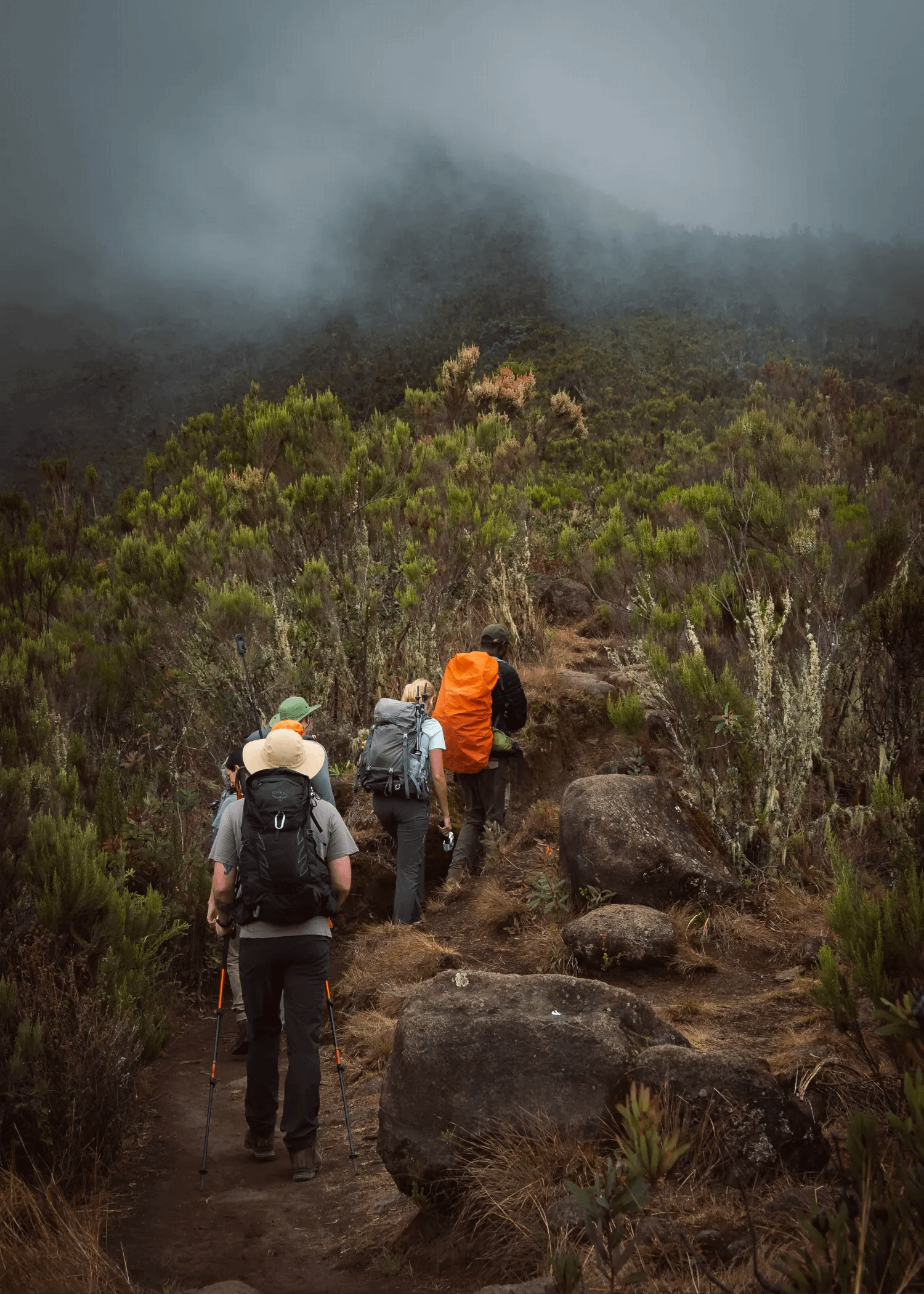
One advantage of the short rains is the dramatic scenery. Clouds rolling through forests create mystical atmospheres, and lightning storms viewed from high camps can be spectacular (if slightly unnerving). Fresh snow on the summit makes for stunning photographs if you’re fortunate enough to encounter clear conditions.
The long rains from mid-March through May represent Kilimanjaro’s wettest and most challenging period. This season brings heavy, sustained precipitation that significantly impacts climbing conditions. Most experienced climbers and operators recommend avoiding this period unless scheduling constraints leave no alternative.
April typically receives the most rainfall, with precipitation occurring frequently at all elevations. Trails become extremely muddy, particularly in the rainforest zone where footing becomes treacherous. Porters struggle with heavy loads on slippery paths, and hiking becomes physically exhausting.
Visibility during the long rains is often poor. Clouds obscure views for days at a time, and you may climb through fog for extended periods. The spectacular vistas that make Kilimanjaro famous become rare, potentially diminishing the overall experience.
Snow and ice accumulation increases significantly during the long rains. While this creates beautiful scenery, it also makes summit night more challenging. Scree slopes may be covered with ice, requiring more careful footing. Extreme cold combined with potential precipitation makes summit night particularly demanding.
Success rates drop during the long rains. Statistics show that summit success rates decline by 10 to 20 percent compared to dry seasons. Weather-related turnarounds become more common as guides prioritize safety over summit achievements. If reaching the peak is your primary goal, the long rains present unnecessary risk.
However, the long rains offer advantages for specific climbers. Solitude reaches its maximum during this period – you may have entire routes virtually to yourself. The mountain feels wild and untamed, offering an experience closer to expedition climbing than the dry season trekking atmosphere.
Prices reach their lowest during the long rains. Discounts of 20 to 30 percent are possible as operators try to maintain some business. For budget-conscious adventurers willing to accept weather uncertainty, substantial savings are available.
Another consideration is that the long rains vary in intensity and timing. Some years see moderate rainfall that doesn’t severely impact climbing, while other years bring deluge conditions. Climate patterns have become less predictable in recent years, making long rains season increasingly uncertain.
The Machame Route, approaching from the south, receives more rainfall than northern routes during wet seasons. Its path through extensive rainforest means muddy conditions persist longer after rains end. However, this route offers spectacular scenery during dry seasons and remains popular throughout peak periods.
Different routes experience seasonal variations distinctly due to their geographic positions and elevation profiles. Understanding these differences helps optimize your seasonal timing based on your chosen route.

The Marangu Route, also southern-facing, shares Machame’s rainfall exposure. However, its hut accommodation partially mitigates rain challenges – you’ll sleep dry even during wet seasons. This makes Marangu marginally more attractive during shoulder seasons when precipitation risk exists.
The Lemosho and Shira Routes approach from the west, receiving less rainfall than southern routes. These routes can remain relatively pleasant during shoulder seasons when Machame and Marangu face challenges. However, they cost more and require longer commitments.
The Rongai Route approaches from the north, the driest side of Kilimanjaro. This route experiences less precipitation year-round, making it the best option during shoulder seasons or for risk-averse climbers concerned about weather. However, Rongai sees less dramatic scenery than southern routes.
The Northern Circuit, being the longest route, requires stable weather throughout its extended duration. This route is best attempted during dry seasons when consecutive days of good weather are more likely. Attempting Northern Circuit during rainy seasons increases the probability of encountering challenging conditions.
Beyond basic seasonal patterns, several factors should influence your timing decision. Personal circumstances, special events, and specific goals all play roles in determining optimal climbing windows.
If your primary goal is reaching the summit, prioritize the longer dry season from June to October. These months offer maximum success probability due to stable weather and optimal acclimatization conditions. If you must climb during other periods, extend your route duration to improve acclimatization and weather flexibility.
Photography enthusiasts should consider the shorter dry season from January to March. Lush vegetation, clearer skies, and excellent visibility create ideal photography conditions. The angle of equatorial sun during these months also provides flattering light for landscape photography.
Crowd-averse climbers have several options. September and early October offer good weather with fewer people than peak season. Alternatively, late December and early January provide decent conditions before peak season begins. If you can tolerate weather uncertainty, the shoulder seasons of late October through November offer near-solitude.
Budget-conscious climbers can save significantly by choosing shoulder or rainy seasons. Late October, November, and March through May offer the deepest discounts. However, weigh savings against reduced success probability and potentially compromised experience.
If combining Kilimanjaro with safari, coordinate timing carefully. The Serengeti migration occurs year-round but features specific highlights in different months. January to February offers calving season in the southern Serengeti. June to July provides dramatic river crossings in the western corridor. Research safari timing alongside climbing seasons to optimize your overall Tanzanian experience.
Family climbers or those with children should prioritize school holiday periods. June to August and December to January align with most school breaks, making family expeditions logistically feasible. However, expect larger crowds during these convenient periods.
Physical preparation requirements vary by season. Cold-weather conditioning becomes more critical for July and August climbs when summit temperatures are lowest. Rain gear and mud navigation training benefits climbers attempting shoulder or wet seasons.
Choosing when to climb Kilimanjaro ultimately depends on balancing multiple factors: weather preferences, crowd tolerance, budget constraints, schedule flexibility, and personal goals. No single “best” time exists – only the best time for your specific circumstances.
For most first-time climbers, I recommend the longer dry season from late June through September. These months maximize summit success probability while offering stable weather and excellent visibility. If crowds concern you, target early September when weather remains excellent but numbers decrease.
Experienced trekkers comfortable with uncertainty might prefer January to March. This period offers spectacular scenery, good weather, and moderate crowds. The shorter dry season provides an excellent balance of favorable conditions without peak season congestion.
Budget-conscious adventurers willing to accept weather challenges can find significant value in shoulder seasons. Late October and November offer reasonable conditions with substantial discounts. However, I strongly recommend avoiding mid-March through May unless budget constraints leave absolutely no alternative. Whatever season you choose, remember that Kilimanjaro demands respect regardless of timing. Proper preparation, quality gear, adequate acclimatization time, and mental toughness matter far more than perfect weather. Thousands of climbers summit successfully during less-than-ideal seasons through determination and preparation.
The mountain will test you in any season. Embrace the conditions you encounter, adapt to challenges, and focus on the journey rather than fixating on perfect circumstances. Some of the most memorable Kilimanjaro experiences occur when weather creates adversity that climbers overcome together. Your determination and preparation matter far more than choosing the “perfect” month.
Ultimately, the best time to climb Kilimanjaro is when you’re physically prepared, mentally ready, and able to commit fully to the experience. The mountain awaits regardless of season, standing as it has for millennia, ready to challenge and reward those who approach with humility, respect, and determination.
There's no single "best" month for everyone, but late June through September offers the most reliable conditions for first-time climbers. These months provide stable weather, clear skies, and the highest summit success rates. However, if you prefer fewer crowds while maintaining good weather, early September or January through February are excellent alternatives that balance favorable conditions with a less congested mountain experience.
Yes, climbing during rainy seasons is possible, but success rates drop by 10-20% compared to dry seasons. The short rains (November to mid-December) are more manageable than the long rains (mid-March through May), which bring the most challenging conditions. If you must climb during rainy periods, consider the Rongai Route from the north, which receives less precipitation year-round, and budget extra days for acclimatization and weather flexibility.
Off-season discounts can be substantial. During the short rains (November-December), you can typically save 10-20% on climbing costs. The long rains period (March-May) offers the deepest discounts of 20-30% as operators try to maintain business during the slowest period. Shoulder seasons like late October also feature moderate price reductions while offering better weather than full rainy seasons.
The Rongai Route is your best option for shoulder season climbing. Approaching from Kilimanjaro's northern side, it receives significantly less rainfall than southern routes like Machame and Marangu. This makes Rongai more pleasant and manageable when weather uncertainty exists. The Lemosho and Shira Routes from the west are also good alternatives, experiencing less precipitation than southern approaches, though they require longer time commitments.
January to February is ideal for combining both experiences. This period offers excellent Kilimanjaro climbing conditions during the shorter dry season while coinciding with the Serengeti calving season in the southern plains, providing spectacular wildlife viewing. Alternatively, June to August works well, giving you stable climbing weather and the opportunity to witness dramatic wildebeest river crossings in the western Serengeti, though expect larger crowds on both the mountain and safari circuits during these popular months.
Summit temperatures range from minus 20 to minus 5 degrees Celsius year-round, regardless of season, though wind chill can make it feel significantly colder. Temperature correlates with altitude rather than season—you'll lose approximately 1 degree Celsius for every 200 meters of elevation gain. However, July and August tend to have the harshest summit conditions due to clear skies allowing maximum overnight cooling. The base remains tropical year-round at 20-30 degrees Celsius, so you'll experience extreme temperature variation during your climb.
The quietest periods are during the rainy seasons: November through mid-December (short rains) and mid-March through May (long rains). During these times, you may have entire routes virtually to yourself and go days without encountering other climbing parties. If you want solitude but better weather, late October through early November or late December through early January offer a compromise—fewer crowds than peak season with more manageable conditions than the heart of rainy seasons. The Northern Circuit route also tends to be less crowded year-round due to its length and higher cost.

We believe adventure should inspire, not exploit. Every expedition we guide creates meaningful employment for local families, supports community development, and preserves the natural wonders we’re privileged to explore.
* Sign up to receive curated travel ideas, seasonal discounts.
Copyright © 2025 All Rights Reserved.