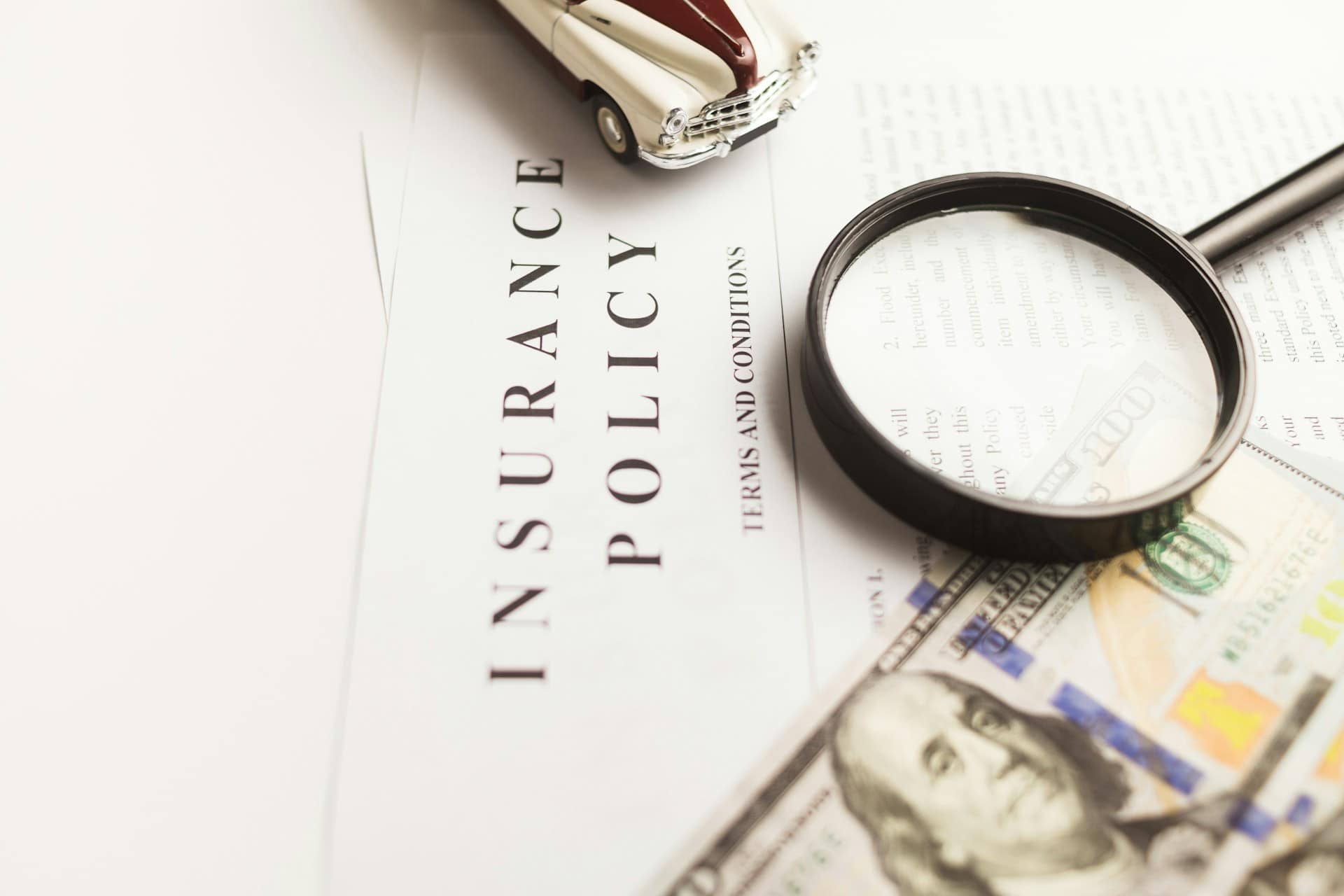
Conquering Africa’s 5,895-meter giant demands more than physical preparation—it requires specialized Kilimanjaro travel insurance that standard vacation policies simply can’t provide. While you’ve trained for months and invested in premium gear, inadequate insurance coverage could turn a medical emergency into financial catastrophe. Here’s everything you need to protect your climbing investment and ensure peace of mind on the roof of Africa. Proper equipment makes the difference between miserable suffering and comfortable success on Mount Kilimanjaro. The mountain’s extreme altitude and dramatic climate zones demand specialised gear that protects you from tropical rain, freezing summit temperatures, and everything in between. Unlike technical mountaineering, which requires ropes and harnesses, Kilimanjaro needs no specialised climbing equipment – but the clothing, camping gear, and accessories you bring significantly impact your experience and your chances of reaching the summit. This comprehensive guide details every item you need, quality considerations, where to acquire gear, and how to pack efficiently for Africa’s highest peak.
Your regular travel insurance or credit card benefits won’t cut it for Kilimanjaro. Most standard policies exclude activities above 3,500-4,500 meters—meaning you’re uninsured from day three onward. Credit card travel benefits typically max out at $25,000-50,000 for medical expenses, potentially leaving you exposed to devastating costs.
The financial stakes are extreme: helicopter evacuations range from $10,000-50,000, international medical treatment for altitude emergencies can exceed $100,000, and air ambulance repatriation home may cost $250,000 or more. Without proper mountain climbing insurance, these become your personal burden.
Altitude is unforgiving. Your policy must cover acute mountain sickness, high-altitude pulmonary edema (HAPE), high-altitude cerebral edema (HACE), hypothermia, and fall injuries. Demand minimum $100,000 coverage, though $250,000-500,000 offers optimal protection.
Critical requirement: Verify explicit coverage to 6,000 meters. Many policies cap at 4,000-5,000 meters, excluding Kilimanjaro’s summit zone. Marketing promises mean nothing if fine print excludes high altitude.
This is non-negotiable. Helicopter rescue from Barafu Camp costs $10,000-30,000, with complex evacuations exceeding $50,000. Insist on $150,000 minimum coverage, preferably $250,000-500,000 or unlimited.
Ensure your policy covers both emergency evacuation to adequate medical facilities and repatriation to your home country. Some policies only cover transport to Nairobi or Dar es Salaam, leaving you stranded far from home with mounting bills.
Kilimanjaro expeditions represent $4,000-8,000 investments in non-refundable deposits, airfare, and gear. Trip cancellation coverage protects this investment if illness, family emergencies, or other covered events prevent travel.
Trip interruption coverage becomes crucial if altitude sickness forces evacuation mid-climb. It reimburses unused days and emergency return flights—typically up to 150% of trip costs. For maximum flexibility, consider Cancel For Any Reason (CFAR) coverage, which reimburses 50-75% of costs for any circumstance.
Quality Kilimanjaro gear costs $1,500-3,000. If airlines lose your checked bag containing your $600 sleeping bag and $350 boots days before your climb, you’ll need coverage that matches your investment. Standard $500-1,000 limits won’t suffice—seek $2,000-3,000 coverage with adequate sub-limits for electronics and equipment.
Baggage delay coverage (activating after 12-24 hours) reimburses emergency gear purchases or rentals if your luggage arrives late.
Specialized providers understand high-altitude risks and design coverage accordingly:
World Nomads offers popular adventure policies that clearly cover trekking up to 6,000 meters, providing substantial medical and evacuation coverage. Their flexible terms are ideal for long-term travelers.
IMG Global’s Patriot Travel Medical Insurance covers trekking up to 5,500 meters as standard, with options for higher elevations available through endorsements. They offer high medical and evacuation limits, making it ideal for serious climbers.
Insurance comparison platforms such as Insure My Trip and Squaremouth allow users to filter by altitude limits, evacuation coverage, and trip costs while comparing multiple insurers side by side.
Marketing materials oversimplify coverage. Always read actual policy documents, focusing on:
Buy insurance immediately after making your first non-refundable payment. Early purchase:
Before departing:
During emergencies:
Comprehensive Kilimanjaro insurance costs 4-10% of trip expenses—typically $200-500 for a $5,000 expedition. While it’s an added expense, consider the context: spending $300 to protect a $5,000 investment and avoid potential $50,000 evacuation bills represents extraordinary value.
Don’t choose based solely on price. The cheapest policy often provides minimal coverage with restrictive terms. Balance cost against quality coverage that actually protects you when it matters.
Taking multiple international trips annually? Annual multi-trip insurance covers unlimited trips within a year (typically 30-90 days per trip) and often costs less than separate policies. Verify adventure sports coverage and altitude limits—not all annual policies cover high-altitude trekking.
Proper Kilimanjaro travel insurance isn’t optional—it’s essential expedition equipment. The risks of high-altitude trekking combined with substantial financial investment demand comprehensive protection. While most climbers never file claims, those who need coverage discover it makes the difference between manageable inconvenience and financial disaster.
Approach insurance selection with the same diligence as your training regimen and gear preparation. Research thoroughly, compare policies, read documents carefully, and purchase early. The modest investment in comprehensive mountain climbing insurance provides immeasurable value, protecting both your expedition investment and financial future.
Climb Kilimanjaro knowing you’re properly protected. Let insurance concerns fade away as you focus completely on the extraordinary adventure ahead—standing atop Africa’s highest peak, where the only worry should be catching your breath at the summit, not catching a catastrophic bill if things go wrong.
Most domestic health insurance plans provide minimal or no coverage for international travel, especially for adventure activities like high-altitude trekking. Even if your plan offers some international coverage, it typically won't cover emergency evacuations, helicopter rescues, or repatriation—expenses that can exceed $250,000. Specialized Kilimanjaro travel insurance is essential, not supplementary.
If you develop altitude sickness requiring descent but can walk down, you'll typically only need coverage for any medical treatment received. However, if you require helicopter evacuation due to severe HAPE or HACE, your emergency evacuation coverage activates. Trip interruption coverage then reimburses your unused climb days and any emergency flight changes. Always contact your insurer's 24/7 assistance line immediately during medical emergencies.
Prioritize operators with ethical porter welfare practices, experienced guides, and strong safety records. Look for certification from the Kilimanjaro Porters Assistance Project (KPAP) and membership in professional associations like KIATO. Verify that guides have Wilderness First Responder certification and extensive experience. Read reviews across multiple platforms looking for patterns rather than isolated complaints. Ensure operators provide proper wages, limit porter loads to 20 kilograms, and supply appropriate equipment for staff. Compare at least 3-5 operators thoroughly—the time invested in due diligence pays dividends in experience quality and peace of mind.
This varies significantly by policy. Many "adventure" policies only cover trekking up to 4,000-5,000 meters, leaving you uninsured for Kilimanjaro's summit zone (5,895m). You must verify explicit coverage to at least 6,000 meters. Don't assume—read the policy documents and look for specific altitude limits in the fine print.
Yes, insurance premiums increase with age due to higher medical risk profiles. Climbers over 60 typically pay 30-50% more than younger climbers for equivalent coverage. However, this makes proper coverage even more critical—older climbers face higher risks of altitude-related complications and longer recovery times if emergencies occur.
Yes, provided your policy explicitly covers altitudes to 6,000 meters and doesn't exclude nighttime trekking. Summit night—when you climb from high camp to Uhuru Peak in darkness—is covered under standard high-altitude trekking policies. However, verify your policy doesn't contain unusual exclusions for nighttime activities or specific route segments.
While some insurers allow purchase after departure from your home country, coverage effectiveness becomes severely limited. Most importantly, trip cancellation benefits won't apply to expenses already incurred, and some insurers won't cover you for activities beginning before the policy start date. Always purchase insurance before leaving home, ideally within 10-21 days of your initial trip deposit to maximize benefits and enable pre-existing condition waivers.
We believe adventure should inspire, not exploit. Every expedition we guide creates meaningful employment for local families, supports community development, and preserves the natural wonders we’re privileged to explore.
* Sign up to receive curated travel ideas, seasonal discounts.
Copyright © 2025 All Rights Reserved.