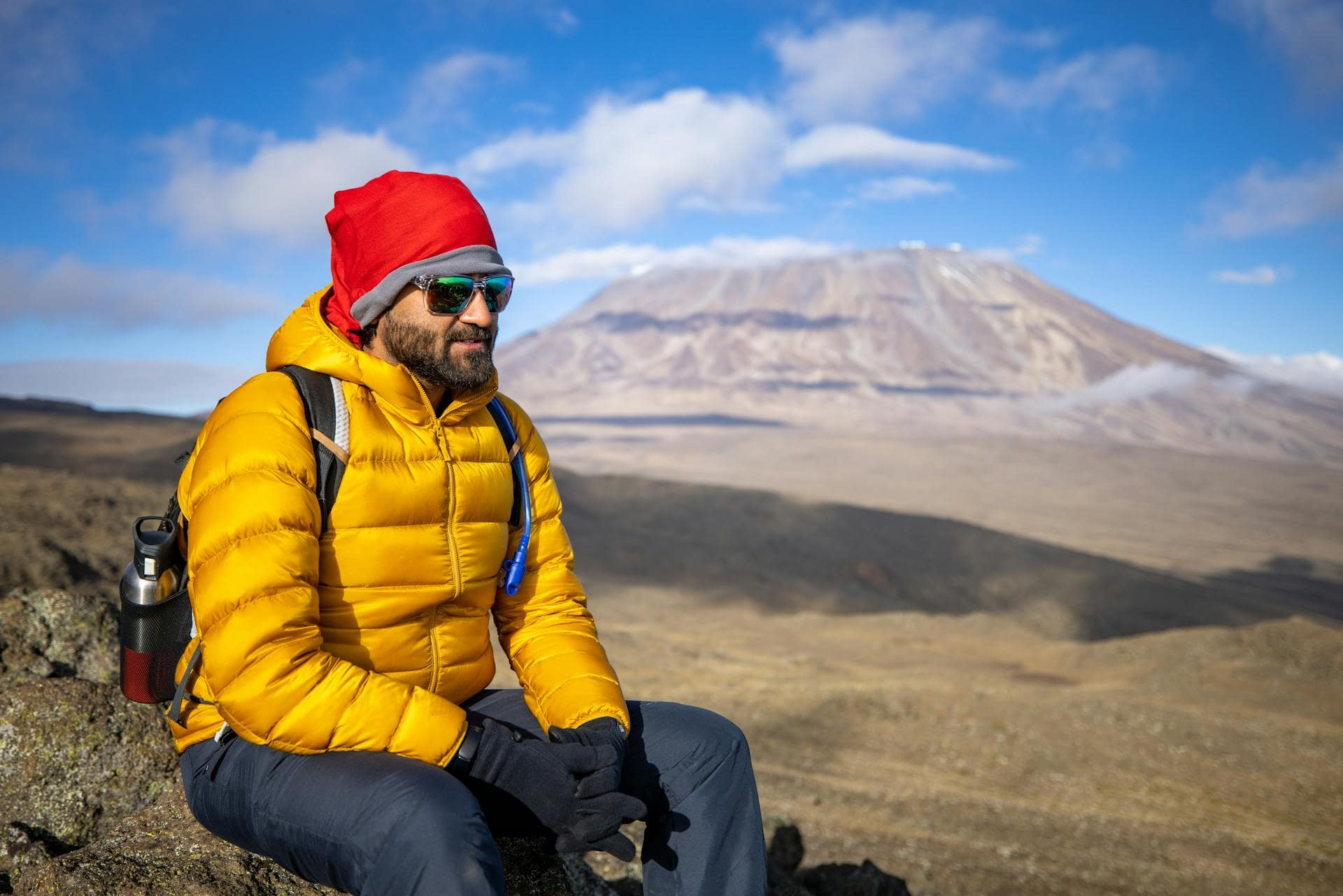
Planning a Mount Kilimanjaro expedition requires careful coordination of numerous elements spanning logistics, physical preparation, financial budgeting, and administrative details. Unlike spontaneous weekend adventures, a Kilimanjaro climb demands months of advance planning to ensure safety, maximize success chances, and create a meaningful experience. This comprehensive guide walks you through every planning stage, from initial research to departure day, providing the roadmap you need for a successful summit bid.
Thorough research forms the foundation of successful Kilimanjaro planning. Understanding the mountain, routes, challenges, and requirements allows you to make informed decisions throughout the planning process.
Begin by reading comprehensive accounts of Kilimanjaro climbs from diverse sources. Books, blogs, forums, and trip reports provide insights into personal experiences, challenges encountered, lessons learned, and practical advice. Pay attention to accounts from climbers with similar fitness levels, age ranges, and experience backgrounds to yours.
Study Kilimanjaro’s geography, climate zones, altitude effects, and unique characteristics. Understanding why the mountain challenges climbers helps you prepare appropriately. Learn about acute mountain sickness, its symptoms, prevention strategies, and treatment options. Altitude sickness is the primary reason climbers fail to summit, making this knowledge critical.
Research various routes thoroughly, understanding their characteristics, difficulty levels, scenery, success rates, and duration options. Each route offers distinct advantages and challenges. Your route choice significantly impacts your experience, so invest time in understanding differences.
Investigate tour operator requirements, quality indicators, and selection criteria. Learn about porter welfare issues, ethical climbing practices, and how to identify reputable operators. Understanding what separates excellent operators from mediocre ones protects you from poor experiences and ensures your money supports ethical practices.
Research gear requirements extensively. Kilimanjaro demands specialized equipment for extreme cold, high altitude, and varied terrain. Understanding what you need, quality standards, and whether to buy or rent saves money and prevents equipment failures on the mountain.
Join online communities dedicated to Kilimanjaro climbing. Facebook groups, Reddit forums, and specialised websites connect you with experienced climbers who answer questions, share advice, and provide current information. These communities offer invaluable real-world insights beyond what guidebooks provide.
Strength training shouldn’t be neglected. Focus on legs, core, and back muscles that will support you during long trekking days. Squats, lunges, step-ups, and planks should become your regular companions. Strong legs will help you navigate steep sections, while core strength aids with balance on uneven terrain and reduces fatigue.
If you live at sea level, you cannot fully acclimatize before arrival, but you can optimize your body’s efficiency. Incorporate high-intensity interval training to improve your VO2 max, which helps your body utilize oxygen more effectively. Some climbers spend time at moderate altitude before their Kilimanjaro attempt, though this isn’t essential for success.
Mental preparation often proves as crucial as physical conditioning. Summiting Kilimanjaro requires pushing through discomfort, managing altitude symptoms, and maintaining determination when your body wants to quit. Visualization techniques, meditation, and developing positive mental scripts help many climbers overcome challenging moments. Remember, summit night typically involves six to eight hours of climbing in darkness, extreme cold, and thin air – mental toughness will carry you when physical strength wavers.
Kilimanjaro expeditions represent significant financial investments. Comprehensive budgeting prevents surprises and helps you make informed decisions about operators, routes, gear, and extras.
Tour operator costs typically range from $1,500 to $5,000 depending on route, duration, group size, and operator quality. Budget operators offering rock-bottom prices often cut corners on porter welfare, food quality, or equipment. Mid-range operators ($2,000 to $3,000) typically provide good value with ethical practices. Premium operators ($3,500 to $5,000+) offer superior equipment, smaller groups, experienced guides, and luxury touches.
International airfare varies dramatically based on origin, season, and booking timing. Flights from North America to Tanzania typically cost $800 to $2,000, while European flights range from $400 to $1,000. Book early for better prices, and consider flexible dates to find deals.
Gear expenses depend on what you already own. If purchasing everything, expect to spend $800 to $2,000 on proper cold-weather clothing, sleeping bag, boots, trekking poles, and accessories. Renting gear in Tanzania is possible for some items (sleeping bags, trekking poles) at $10 to $30 per item, saving money if you don’t plan future high-altitude adventures.
Travel insurance with emergency evacuation coverage costs $100 to $300 depending on coverage levels and trip duration. This is non-negotiable for Kilimanjaro, as helicopter evacuations from high altitude can cost tens of thousands of dollars.
Visa fees for Tanzania are $50 to $100 depending on nationality, plus application processing fees if using visa services. Yellow fever vaccination costs $150 to $250, while other recommended vaccinations add $100 to $300. Malaria prophylaxis costs $50 to $150 depending on medication choice.
Pre-climb and post-climb accommodation in Tanzania runs $20 to $200 per night based on quality preferences. Budget two to three nights before the climb and one to two nights after. Meals, transportation, and activities outside the trek add $200 to $500 to your budget.
Tips for mountain crews represent a significant but often overlooked expense. Budget $250 to $350 for tipping guides, porters, and cooks. This amount follows recommended guidelines based on crew size and trip duration.
Miscellaneous expenses including snacks, medications, airport transfers, souvenirs, and contingency funds add another $200 to $400. Always budget 10 to 15 per cent extra for unexpected costs.
Total expedition costs typically range from $3,500 to $7,000 per person for international climbers, with mid-range budgets around $4,500 to $5,500. This substantial investment warrants careful planning and operator selection.
Choosing your route and operator represents the most consequential planning decision. These choices directly impact your experience, success probability, and memories.
Route selection depends on multiple factors: experience level, fitness, available time, budget, scenery preferences, and crowd tolerance. Machame Route (seven days) offers excellent acclimatization, spectacular scenery, and moderate challenge, making it suitable for first-timers. Lemosho Route (seven to eight days) provides even better acclimatization with stunning western approach but costs more. Marangu Route (five to six days) offers hut accommodation but lower success rates. Rongai Route (six to seven days) approaches from the drier north with less crowds but less dramatic scenery. Northern Circuit (eight to nine days) provides maximum acclimatization and solitude but requires longest commitment and highest cost.
Prioritize longer route variations. Seven to eight-day itineraries yield dramatically higher success rates than five to six-day versions. The extra days allow proper acclimatization, making the substantial additional cost worthwhile for most climbers.
Operator selection requires careful vetting. Start by checking certifications and memberships. The Kilimanjaro Porters Assistance Project (KPAP) recognizes operators meeting ethical porter welfare standards. Membership in professional associations like the Kilimanjaro Association of Tour Operators (KIATO) indicates established, legitimate businesses.
Read extensive reviews across multiple platforms: TripAdvisor, Google, SafariBookings, and climbing forums. Look for patterns in feedback rather than isolated complaints. Pay attention to comments about guide quality, food, equipment condition, and how companies handle challenges.
Verify guide qualifications and experience. Reputable operators employ Wilderness First Responder certified guides with years of experience. Ask about guide-to-client ratios, guide English proficiency, and summit success rates.
Investigate porter welfare practices thoroughly. Ethical operators provide proper wages (above minimum), limit porter loads to 20 kilograms, supply appropriate clothing and equipment, and ensure porter health monitoring. Companies cutting corners usually exploit porters, and supporting such practices is ethically problematic.
Examine what’s included versus excluded in pricing. Some operators quote low prices but charge extra for items others include: park fees, camping equipment, meals, airport transfers, or emergency oxygen. Understand total costs before committing.
Request detailed itineraries showing exact camps, hiking times, and acclimatization strategies. Quality operators provide comprehensive day-by-day plans demonstrating logical progression and proper acclimatization.
Ask about group sizes and composition. Small groups (four to eight climbers) often provide better experiences than large groups. Some operators mix travelers into open groups, while others offer private climbs. Determine which suits you.
Inquire about emergency protocols, medical equipment carried, and evacuation procedures. Proper operators carry comprehensive medical kits, satellite communications, and detailed emergency plans.
Compare at least three to five operators thoroughly before deciding. The time invested in due diligence pays dividends in experience quality and peace of mind.
Physical preparation dramatically impacts your Kilimanjaro experience and summit success. Begin training at least four to six months before your climb, with longer timelines beneficial for less active individuals.
Develop an aerobic base through consistent cardiovascular training. Aim for four to five sessions weekly, progressively increasing duration and intensity. Hiking, particularly with elevation gain, provides ideal preparation. Running, cycling, swimming, and rowing offer alternatives when hiking isn’t accessible.
Implement progressive overload principles. Start with comfortable durations and intensities, then gradually increase weekly. For example, begin with 30-minute sessions and build toward two to four-hour hikes carrying weighted packs. Your body needs time to adapt; rushing progression invites injury.
Incorporate strength training twice weekly, focusing on legs, core, and back. Squats, lunges, step-ups, deadlifts, and planks build necessary strength. Strong legs handle steep ascents and descents more efficiently, while core stability aids balance on uneven terrain and reduces fatigue.
Practice hiking with a loaded pack. Your daypack on Kilimanjaro will weigh five to eight kilograms. Training with similar weight acclimates your body to this load, strengthens relevant muscles, and helps you dial in pack adjustments for comfort.
If possible, train at elevation. While sea-level residents can’t fully acclimatize before arrival, altitude training helps. Even moderate elevations (1,500 to 2,500 meters) provide some adaptive stimulus. Some athletes use altitude training masks or hypoxic chambers, though research on their effectiveness remains mixed.
Include high-intensity interval training to boost VO2 max. Higher aerobic capacity means your body uses oxygen more efficiently at altitude. Interval sessions once or twice weekly complement steady-state cardio effectively.
Don’t neglect flexibility and mobility work. Yoga, stretching, or dynamic mobility routines prevent injuries and aid recovery. Tight hips, hamstrings, or ankles increase injury risk and reduce hiking efficiency.
Simulate summit night conditions during training. Practice hiking for extended periods (six to eight hours) with minimal breaks. Attempt some early morning or evening hikes to experience physical exertion when tired. These dress rehearsals build mental toughness alongside physical capacity.
Track your training in a journal or app. Monitoring progress maintains motivation, reveals patterns, and helps adjust programming. Note how your body responds to increased training loads, and incorporate recovery when needed.
Allow adequate recovery, especially in the final two weeks before departure. Reduce training volume significantly to arrive fresh rather than fatigued. This taper period allows your body to absorb training adaptations and recover fully.
Medical preparation for Kilimanjaro involves vaccinations, preventive medications, health screenings, and assembling a personal medical kit.
Schedule a comprehensive medical check-up at least three months before departure. Discuss your plans with your doctor, particularly if you have pre-existing conditions. Cardiovascular health, respiratory function, and overall fitness deserve assessment. Kilimanjaro places substantial stress on the body, and underlying conditions need evaluation.
Required vaccinations for Tanzania include yellow fever, documented on an International Certificate of Vaccination. Many countries require this certificate for entry after visiting Tanzania. Schedule this vaccination at least ten days before departure, as it needs time to become effective.
Recommended vaccinations include Hepatitis A and B, typhoid, tetanus-diphtheria, and measles-mumps-rubella if not current. Rabies vaccination is advisable if you plan animal contact or extended Tanzania stays. Complete vaccination schedules several weeks before departure to ensure full effectiveness and time for side effects to resolve.
Malaria prophylaxis requires careful consideration. While Kilimanjaro’s high altitudes are malaria-free, you’ll spend time at lower elevations where risk exists. Options include atovaquone-proguanil (Malarone), doxycycline, and mefloquine. Each has different side effects, dosing schedules, and effectiveness. Discuss options with your doctor considering your health history and risk tolerance.
Diamox (acetazolamide) prevents and treats altitude sickness by stimulating breathing and aiding acclimatization. Many climbers use Diamox prophylactically starting one to two days before ascent. Common side effects include tingling in extremities and increased urination. Trial Diamox before your trip to ensure you tolerate it well.
Dental check-ups prevent surprises. The last thing you want is a tooth problem at altitude. Schedule cleanings and address any issues months before departure.
Assemble a personal medical kit containing altitude sickness medication (Diamox, dexamethasone, ibuprofen), antimicrobial (ciprofloxacin or azithromycin for travelers’ diarrhea), antiemetics, antihistamines, pain relievers, blister treatment, bandages, and any personal prescription medications. Tour operators carry group medical supplies, but personal kits provide immediate access to commonly needed items.
Prepare copies of prescriptions and medical history documentation. If carrying significant medications, consider a doctor’s letter explaining their necessity to avoid customs issues.
Consider travel medical insurance with helicopter evacuation coverage. Standard health insurance rarely covers international emergencies or mountain rescue. Specialized policies covering Kilimanjaro (typically listing coverage to 6,000 meters) cost $100 to $300 and provide essential protection.
Proper gear significantly impacts comfort, safety, and success on Kilimanjaro. Acquiring and testing equipment well before departure prevents last-minute scrambles and allows time to address issues.
Start with the most critical item: footwear. Quality, broken-in hiking boots are non-negotiable. Choose full-grain leather or robust synthetic boots with excellent ankle support, waterproofing, and insulation. Visit specialty outdoor retailers for proper fitting, as improper boots cause blisters, black toenails, and misery.
Break in boots during training hikes, gradually increasing distance. New boots need 50 to 100 kilometers to conform to your feet. Attempting Kilimanjaro in new boots virtually guarantees problems.
Sleeping bags rated to at least minus 10 degrees Celsius are essential. Summit camps experience brutal cold, and inadequate sleeping bags ruin rest and recovery. Down bags offer superior warmth-to-weight ratios but lose insulation when wet. Synthetic bags resist moisture but weigh more. Many climbers rent quality sleeping bags in Tanzania, saving money and luggage space.
Layering systems for clothing deserve careful planning. You’ll need base layers (merino wool or synthetic), insulating mid-layers (fleece or down), waterproof-breathable shells, warm hats, gloves, and sun protection. Avoid cotton, which retains moisture and provides no insulation when wet.
Trekking poles significantly reduce knee stress and improve stability. Adjustable poles accommodate varied terrain. Practice using poles during training to develop proper technique.
Daypacks carrying five to eight kilograms should fit comfortably with adequate support. Test your pack on long training hikes, adjusting fit and organization.
Headlamps with fresh batteries or charging capabilities are mandatory for summit night. Bring a backup light source as redundancy for this critical equipment.
Hydration systems require planning. Water bladders provide convenient drinking but can freeze at high altitude. Wide-mouth water bottles resist freezing better and allow adding hot water for warmth. Bring both systems for flexibility.
Sun protection becomes critical at altitude where UV radiation intensifies. High-SPF sunscreen, quality sunglasses with full UV protection, and sun hats prevent painful burns.
Create a detailed gear checklist including clothing, equipment, toiletries, medications, documents, and electronics. Check items off as you acquire and pack them.
Test all gear during training hikes. Identify and address problems before departure. Break in boots, verify pack comfort, ensure clothing layers effectively, and confirm your sleeping bag provides adequate warmth.
Handling administrative requirements systematically prevents stressful last-minute scrambles and ensures smooth travel.
Verify passport validity well in advance. Tanzania requires passports valid at least six months beyond your intended departure date. Check expiration dates and renew if necessary, allowing months for processing.
Obtain Tanzania visas according to your nationality’s requirements. Many nationalities can apply for e-visas online or obtain visas on arrival. Research your country’s specific requirements early. E-visas take several days to process, while arrival visas involve longer airport queues but provide flexibility.
Book international flights once you’ve confirmed tour dates with your operator. Balance cost against schedule convenience. Many climbers arrive two to three days early to recover from travel and adjust to time zones.
Arrange airport transfers through your tour operator or independently. Kilimanjaro International Airport (JRO) serves Arusha and Moshi, the primary starting points for climbs. Confirm pickup details, contact numbers, and contingency plans.
Research and book pre-climb and post-climb accommodation. Most operators don’t include these nights. Staying in Arusha or Moshi allows pre-climb relaxation, gear checks, and trip briefings. Options range from hostels ($10 to $30 nightly) to mid-range hotels ($50 to $100) to luxury lodges ($150+).
Purchase comprehensive travel insurance with specific Kilimanjaro coverage. Verify policies cover helicopter evacuation from altitude, trip cancellation, medical treatment, and equipment loss. Standard travel insurance may exclude high-altitude mountaineering.
Create copies of all important documents: passport, visas, insurance policies, vaccination certificates, tour confirmations, and flight tickets. Store copies separately from originals, with digital backups in secure cloud storage.
Notify your bank and credit card companies about Tanzania travel to prevent fraud alerts that freeze your cards. Verify foreign transaction fees and consider cards with no international fees.
Arrange necessary medications and prescriptions with adequate supplies plus extras for delays. Certain medications have restrictions in Tanzania; research regulations if carrying significant pharmaceutical supplies.
Consider currency exchange logistics. Tanzania uses Tanzanian shillings, though US dollars are widely accepted. Bring small denomination US bills ($1, $5, $10, $20) for tips and incidentals. ATMs exist in Arusha and Moshi but may be unreliable.
The weeks before departure involve mental preparation, finalizing logistics, and organizing details.
Visualize your climb regularly. Mental rehearsal improves performance, builds confidence, and prepares you for challenges. Imagine yourself hiking steadily, managing altitude symptoms, pushing through summit night discomfort, and standing on Uhuru Peak.
Develop positive mantras or affirmations for difficult moments. Simple phrases like “one step at a time,” “I am strong enough,” or “this is temporary” help during summit night when your mind seeks excuses to quit.
Finalize packing using your comprehensive checklist. Organize gear logically, separating what goes in your main luggage, daypack, and what you’ll wear traveling. Weigh luggage to avoid airline overweight charges.
Prepare for jet lag if traveling from distant time zones. Adjust sleep schedules gradually in the days before departure. Stay hydrated during flights, move regularly, and try to sleep according to destination time zones.
Arrange house/pet sitting, mail holds, and bill payments so you can focus completely on your adventure without worrying about home responsibilities.
Brief family and friends on your itinerary, including when you’ll be out of communication. Most of Kilimanjaro lacks cell service. Share emergency contact information for your tour operator.
Complete any final training sessions, then enter your taper period. Reduce volume significantly the final week to arrive fresh. Light movement maintains fitness without inducing fatigue.
Confirm all reservations: flights, accommodation, airport transfers, tour operator. Recheck departure times, addresses, and contact numbers.
Pack medications, documents, and valuables in carry-on luggage rather than checked bags. Lost luggage happens, and you need access to essentials immediately upon arrival.
Thorough planning transforms your Kilimanjaro climb from a stressful ordeal into a well-orchestrated adventure. Each planning phase contributes to your eventual success and enjoyment. While the process demands time and attention, the investment pays dividends in confidence, preparedness, and experience quality.
Approach planning systematically rather than feeling overwhelmed. Break the process into manageable steps, celebrate progress, and remember that thousands of ordinary people successfully climb Kilimanjaro through proper preparation. You can be among them.
Stay flexible as plans evolve. Unexpected developments arise, and adapting gracefully beats rigid adherence to plans when circumstances change. Build buffer time into schedules, budget contingency funds, and maintain perspective that the journey matters more than perfect execution.
Finally, remember why you’re climbing Kilimanjaro. Whether seeking personal challenge, honoring someone, celebrating achievements, or simply pursuing adventure, keep your motivation visible throughout planning’s sometimes tedious phases. This mountain will test and reward you in ways you cannot yet imagine. Proper planning ensures you arrive ready to embrace everything Kilimanjaro offers.
Begin planning at least six to twelve months before your intended climb date. This timeline allows adequate time for physical training, researching and booking reputable operators, visa processing, vaccination scheduling, and gear acquisition. Months 6-12 involve initial research and beginning fitness training; months 4-6 focus on booking your operator and acquiring gear; the final 2-3 months involve finalizing details and completing administrative requirements. Early planning also provides flexibility to book preferred operators and routes during peak season when popular companies fill quickly.
Total expedition costs typically range from $3,500 to $7,000 per person for international climbers, with mid-range budgets around $4,500 to $5,500. This includes tour operator fees ($1,500-$5,000), international airfare ($400-$2,000), gear ($800-$2,000 if purchasing new), travel insurance ($100-$300), visas and vaccinations ($300-$650), accommodation ($200-$1,000), and crew tips ($250-$350). Always budget 10-15% extra for unexpected costs. Mid-range operators ($2,000-$3,000) typically provide good value with ethical practices, while rock-bottom prices often mean corners are cut on porter welfare or equipment quality.
Prioritize operators with ethical porter welfare practices, experienced guides, and strong safety records. Look for certification from the Kilimanjaro Porters Assistance Project (KPAP) and membership in professional associations like KIATO. Verify that guides have Wilderness First Responder certification and extensive experience. Read reviews across multiple platforms looking for patterns rather than isolated complaints. Ensure operators provide proper wages, limit porter loads to 20 kilograms, and supply appropriate equipment for staff. Compare at least 3-5 operators thoroughly—the time invested in due diligence pays dividends in experience quality and peace of mind.
Schedule a comprehensive medical check-up at least three months before departure. Required vaccinations include yellow fever (documented on an International Certificate of Vaccination). Recommended vaccinations include Hepatitis A and B, typhoid, and tetanus-diphtheria. Consider malaria prophylaxis for time at lower elevations, though Kilimanjaro's high altitudes are malaria-free. Many climbers use Diamox (acetazolamide) to prevent altitude sickness, starting 1-2 days before ascent—trial it beforehand to ensure tolerance. Assemble a personal medical kit with altitude medications, antimicrobials, pain relievers, and blister treatment. Purchase travel insurance with helicopter evacuation coverage, as standard health insurance rarely covers international emergencies or mountain rescue.
This depends on your future plans and budget. If purchasing everything new, expect to spend $800-$2,000 on proper cold-weather clothing, sleeping bag rated to minus 10°C, boots, trekking poles, and accessories. However, you can rent some items in Tanzania (sleeping bags, trekking poles) for $10-$30 per item, saving money if you don't plan future high-altitude adventures. Never compromise on footwear—quality, broken-in hiking boots are non-negotiable and should be purchased, requiring 50-100 kilometers to break in properly. Whatever gear you choose, test everything during training hikes to identify and address problems before departure.
Verify your passport is valid at least six months beyond your intended departure date. Obtain a Tanzania visa—many nationalities can apply for e-visas online (taking several days to process) or obtain visas on arrival. Book international flights and arrange airport transfers to Kilimanjaro International Airport (JRO). Reserve pre-climb and post-climb accommodation in Arusha or Moshi. Purchase comprehensive travel insurance covering helicopter evacuation from altitude. Create copies of all important documents (passport, visas, insurance, tour confirmations) and store separately from originals with digital backups. Notify banks about Tanzania travel to prevent fraud alerts, and bring small denomination US bills ($1, $5, $10, $20) for tips and incidentals.
Visualize your climb regularly through mental rehearsal, imagining yourself hiking steadily, managing altitude symptoms, and standing on Uhuru Peak. Develop positive mantras for difficult moments like "one step at a time" or "I am strong enough" to use during summit night when your mind seeks excuses to quit. Finalize packing using a comprehensive checklist and organize gear logically. If traveling from distant time zones, adjust sleep schedules gradually and stay hydrated during flights. Complete final training sessions, then enter a taper period—reduce volume significantly the final week to arrive fresh rather than fatigued. Brief family and friends on your itinerary and share emergency contact information, as most of Kilimanjaro lacks cell service.

We believe adventure should inspire, not exploit. Every expedition we guide creates meaningful employment for local families, supports community development, and preserves the natural wonders we’re privileged to explore.
* Sign up to receive curated travel ideas, seasonal discounts.
Copyright © 2025 All Rights Reserved.