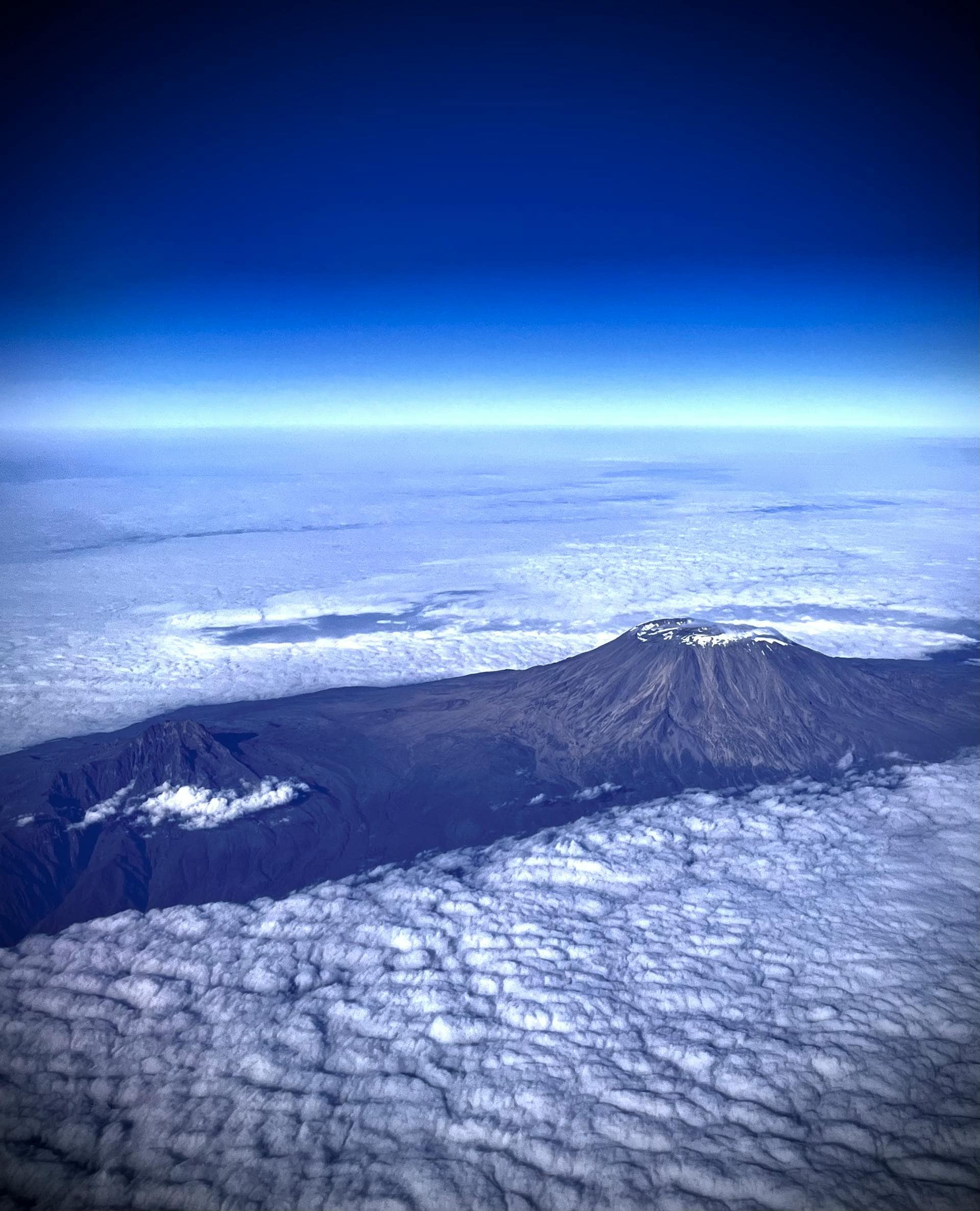
Training for Mount Kilimanjaro represents the single most controllable factor determining your summit success and overall experience quality. While you cannot control weather, altitude effects, or trail conditions, you absolutely control your physical preparation. Proper training transforms Kilimanjaro from a potential ordeal into a challenging but achievable adventure where you’re physically capable of meeting every demand the mountain presents. This comprehensive training guide provides a complete program covering cardiovascular conditioning, strength development, hiking-specific preparation, mental training, and strategic program design that prepares your body and mind for Africa’s highest peak. Whether you’re starting from sedentary baseline or already fit, this guide provides the roadmap to arrive at Kilimanjaro ready for success.
Before designing your training program, understanding exactly what Kilimanjaro demands from your body helps target preparation effectively.
Cardiovascular Endurance: Kilimanjaro is fundamentally an endurance event. You’ll trek 6 to 8 hours daily for six to nine consecutive days depending on your route. Summit day involves 12 to 16 hours of continuous movement. Your cardiovascular system must sustain moderate-intensity effort for extended periods while operating at altitude where oxygen availability is dramatically reduced.
At sea level, atmospheric pressure delivers approximately 21 percent oxygen concentration. At Kilimanjaro’s summit (5,895 meters), atmospheric pressure drops to roughly 50 percent of sea level, meaning each breath delivers half the oxygen. Your cardiovascular system must work far harder to deliver adequate oxygen to working muscles. Strong aerobic fitness helps your body utilize available oxygen efficiently.
Muscular Endurance: While Kilimanjaro requires no technical climbing, it demands substantial leg strength and endurance. You’ll ascend and descend thousands of vertical meters over consecutive days. Quadriceps, hamstrings, calves, and glutes must fire repeatedly for hours without significant rest.
Descent particularly punishes legs. Summit day alone involves descending nearly 3,000 vertical meters after already climbing 1,200 meters to the summit. This eccentric loading creates extreme muscular stress. Without adequate muscular endurance, your legs will fail before reaching camp, creating dangerous situations.
Core Strength and Stability: Your core—abdominals, obliques, and lower back—stabilizes your body during hiking on uneven terrain. Strong cores prevent injury, reduce fatigue, and improve hiking efficiency. Additionally, core strength aids breathing efficiency at altitude by supporting proper breathing mechanics.
Balance and Proprioception: Kilimanjaro’s trails traverse rocky, uneven terrain requiring constant balance adjustments. Root-tangled forest paths, boulder-strewn alpine sections, and loose volcanic scree all demand good balance. Proprioception—your body’s spatial awareness—helps prevent falls and conserves energy by maintaining efficient movement patterns.
Mental Toughness: Summit night represents a profound mental challenge. You’ll climb for 6 to 8 hours through darkness, extreme cold, and oxygen-depleted air while your body screams to stop. Mental training develops the psychological resilience to push through discomfort and maintain determination when quitting feels tempting.
Optimal Kilimanjaro training spans 4 to 6 months, divided into distinct phases building progressively toward peak readiness.
Months 6-5 (Base Building): Establish aerobic base and foundational strength. Focus on consistent training habit development, injury prevention, and gradual fitness improvements.
Months 4-3 (Building Phase): Increase training volume and intensity. Add specific hiking training with loaded packs. Develop muscular endurance through longer efforts.
Months 2-1 (Peak Phase): Reach maximum training volume with longest hikes, highest weekly mileage, and peak intensity work. Simulate Kilimanjaro conditions as closely as possible.
Final 2 Weeks (Taper): Dramatically reduce training volume while maintaining intensity. Allow body to recover and absorb training adaptations. Arrive at Kilimanjaro fresh rather than fatigued.
If you have only 4 months before your climb, compress the program while maintaining progressive structure:
Month 4 (Accelerated Base): Quickly build basic fitness with frequent training. This condensed base phase requires 5-6 training sessions weekly.
Months 3-2 (Combined Building and Peak): Rapidly increase training loads while incorporating specific hiking preparation. This compressed timeline demands careful attention to recovery and injury prevention.
Final 2 Weeks (Taper): Standard taper applies regardless of program length.
The 4-month program works if you’re already moderately fit. Starting from sedentary baseline, 4 months provides marginal preparation. Six months is strongly preferred for those beginning from low fitness.
Cardiovascular fitness forms the foundation of Kilimanjaro preparation. Your training should emphasize sustained moderate-intensity effort rather than short high-intensity bursts.
Base Phase: Three to four cardio sessions weekly, 30 to 60 minutes per session at moderate intensity.
Building Phase: Four to five cardio sessions weekly, 45 to 90 minutes per session, with one longer session extending to 2-3 hours.
Peak Phase: Four to five cardio sessions weekly including one very long session (4-6 hours) and several moderate sessions (60-90 minutes).
Hiking: The most specific cardio training for Kilimanjaro. Seek trails with elevation gain, progressing from gentle terrain to steep climbs. Start with day hikes of 2-3 hours, building toward 6-8 hour training hikes. Add weighted packs (5-8 kg) during building and peak phases to simulate Kilimanjaro’s daypack weight.
If you lack access to mountain trails, find stadium stairs, parking garage ramps, or hills for uphill training. Treadmills set to steep inclines (10-15 percent) provide alternatives when outdoor options are unavailable.
Running: Excellent cardiovascular training building aerobic capacity efficiently. Include both easy runs (2-6 km) and longer runs (10-15 km) at conversational pace. Trail running provides more specific benefit than road running, developing balance and proprioception while building fitness.
Cycling: Low-impact alternative providing excellent aerobic development. Long bike rides (2-4 hours) build endurance without impact stress on joints. Cycling works well for recovery between harder running or hiking sessions.
Swimming: Another low-impact option building cardiovascular fitness and breathing capacity. Particularly valuable if you’re managing injuries or need impact-free training. Swimming develops breathing control relevant for altitude.
Stair Climbing: Specific to Kilimanjaro’s uphill demands. Find buildings with many floors and climb stairs repeatedly with weighted pack. Start with 20-30 minutes, building toward 60-90 minutes. Stair climbing provides intense training in limited time and space.
Structure cardiovascular training across different intensity zones measured by heart rate or perceived exertion:
Zone 1 (Easy/Recovery): 60-70 percent max heart rate. You can hold conversations easily. Use for recovery sessions and warm-ups.
Zone 2 (Moderate/Aerobic): 70-80 percent max heart rate. You can speak in sentences but not paragraphs. This is your primary Kilimanjaro training zone—most trekking occurs at this intensity. Train here for 70-80 percent of your cardio volume.
Zone 3 (Hard/Tempo): 80-90 percent max heart rate. You can speak only short phrases. Include some tempo work (20-30 minutes) weekly during building and peak phases to boost aerobic capacity.
Zone 4-5 (Very Hard/VO2 Max): 90-100 percent max heart rate. You cannot speak. Include interval work (4-8 minute hard efforts with recovery) once weekly during peak phase to maximize oxygen utilization efficiency.
Kilimanjaro itself occurs primarily in Zone 1-2, but training in higher zones develops greater aerobic capacity that translates to easier Zone 2 efforts during the actual climb.
Base Phase Week:
Peak Phase Week:
Kilimanjaro demands leg strength and muscular endurance rather than maximum strength. Your training should emphasize higher repetitions with moderate weight.
Base Phase: Two strength sessions weekly, 30-45 minutes per session
Building Phase: Two to three strength sessions weekly, 45-60 minutes per session
Peak Phase: Two strength sessions weekly, 45-60 minutes (reduced to prevent interference with long cardio sessions)
Squats: The fundamental leg strengthener. Begin with bodyweight squats, progressing to goblet squats, then barbell squats as strength develops. Perform 3-4 sets of 12-20 repetitions. Squats build quadriceps, hamstrings, and glutes simultaneously.
Lunges: Forward, reverse, and walking lunges develop single-leg strength and balance. Include 3 sets of 12-15 repetitions per leg. Lunges mimic hiking’s unilateral loading patterns.
Step-Ups: Highly specific to hiking’s stepping motion. Find a box or bench knee-height or higher. Step up and down for 3 sets of 15-20 repetitions per leg. Add weight via dumbbells or weighted pack as you progress.
Bulgarian Split Squats: Advanced single-leg exercise building tremendous leg strength and balance. Place rear foot elevated on bench, squat on front leg. Perform 3 sets of 10-15 repetitions per leg.
Calf Raises: Standing calf raises strengthen calves for uphill climbing. Include 3 sets of 20-30 repetitions. Progress to single-leg calf raises for greater challenge.
Deadlifts: Build posterior chain (hamstrings, glutes, lower back) essential for maintaining posture during long trekking days. Romanian deadlifts or trap bar deadlifts work well. Perform 3-4 sets of 8-12 repetitions.
Wall Sits: Isometric exercise building quad endurance. Hold squat position with back against wall for 45-90 seconds, 3-4 sets. Excellent for muscular endurance without impact.
Planks: Hold front plank position 45-90 seconds, 3-4 sets. Progress to side planks and plank variations.
Dead Bugs: Lie on back, extend opposite arm and leg while maintaining lower back contact with floor. Perform 3 sets of 12-15 repetitions per side.
Bird Dogs: From hands and knees, extend opposite arm and leg. Hold 3-5 seconds, return, repeat other side. Perform 3 sets of 12-15 repetitions per side.
Russian Twists: Seated torso rotations with light weight. Perform 3 sets of 20-30 total twists.
Mountain Climbers: Dynamic core exercise also building cardio. Perform 3 sets of 30-60 seconds.
Base Phase Workout:
Peak Phase Workout:
Beyond general fitness, specific hiking training prepares your body for Kilimanjaro’s exact demands.
Schedule progressively longer training hikes throughout your program, peaking at 6-8 hour hikes carrying 7-8 kg packs.
Month 5-6: 2-3 hour hikes, minimal pack weight Month 3-4: 4-5 hour hikes, 5 kg pack Month 1-2: 5-8 hour hikes, 7-8 kg pack
Seek trails with significant elevation gain. If possible, complete training hikes at moderate altitude (1,500-3,000 meters) to provide some altitude exposure, though this isn’t essential for sea-level residents.
Kilimanjaro demands consecutive days of trekking. Simulate this during peak phase with back-to-back training hikes on weekends:
Saturday: 5-6 hour hike with pack Sunday: 3-4 hour hike with pack
This consecutive loading prepares your body for multi-day efforts and reveals any equipment issues (boot fit, pack adjustments) needing resolution
Don’t neglect descent training. Downhill hiking creates eccentric muscle loading that causes severe soreness if untrained. Include substantial descents in training hikes, focusing on controlled movement and proper foot placement. Your quads will burn—this adaptation is essential for Kilimanjaro’s long descents.
Begin weighted pack training during building phase:
Building Phase: Start with 5 kg, focus on comfort and adjustments Peak Phase: Progress to 7-8 kg matching your expected Kilimanjaro daypack weight
The pack should contain realistic items rather than just weight plates. Include water bottles, extra layers, snacks, and other items you’ll actually carry on Kilimanjaro. This allows you to refine packing organization and access.
Flexibility training prevents injury, aids recovery, and maintains movement quality throughout training progression.
Perform this routine daily, ideally after training sessions when muscles are warm:
Quadriceps Stretch: Hold 30-45 seconds per leg Hamstring Stretch: Hold 30-45 seconds per leg Hip Flexor Stretch: Hold 30-45 seconds per leg Calf Stretch: Hold 30-45 seconds per leg IT Band Stretch: Hold 30-45 seconds per leg Lower Back Stretch: Child’s pose or cat-cow, 60 seconds Hip Circles: 10 circles each direction per leg Ankle Circles: 10 circles each direction per ankle
Include 1-2 weekly yoga or dedicated mobility sessions (30-60 minutes). Yoga provides excellent complementary training for Kilimanjaro preparation, developing flexibility, balance, core strength, and mental focus simultaneously.
Focus on hip opening poses (pigeon, lizard, frog), hamstring stretches (forward folds, pyramid), and balance poses (tree, warrior III, half moon). These elements directly benefit hiking performance and injury prevention.
Sea-level residents cannot fully acclimatize to Kilimanjaro altitudes before arrival. However, some preparatory strategies can help:
If you live near moderate altitude areas (1,500-3,000 meters), include training at these elevations. Altitude exposure, even to moderate elevations, triggers some adaptive responses: increased red blood cell production, improved breathing efficiency, and altitude symptom familiarity.
For those without altitude access, consider:
Altitude training masks or hypoxic training devices receive mixed scientific support. They restrict breathing, forcing respiratory muscles to work harder, but don’t replicate true altitude’s reduced oxygen partial pressure. If you use altitude masks, treat them as respiratory training rather than altitude simulation.
Some climbers spend time at moderate altitude (2,000-3,500 meters) in the weeks immediately before Kilimanjaro. This “pre-acclimatization” can provide modest benefits if:
Pre-acclimatization trips to Colorado, Swiss Alps, or similar areas could provide marginal advantages, though the benefit is modest and certainly not necessary for success.
Mental preparation receives less attention than physical training but proves equally important, especially during summit night.
Spend 10-15 minutes several times weekly visualizing your successful Kilimanjaro climb. Imagine specific scenarios:
Visualization creates mental pathways that help you respond effectively when experiencing these situations for real. Athletes use visualization to enhance performance—the same principles apply to Kilimanjaro.
Develop positive mantras to deploy during difficult moments:
Practice using mantras during hard training sessions. Make them automatic so they arise naturally when needed most.
Deliberately expose yourself to physical discomfort during training to build mental toughness:
These experiences build confidence that you can push through discomfort—a skill essential for summit night.
Regular meditation practice (even 5-10 minutes daily) develops mental control and emotional regulation. During Kilimanjaro, you’ll face anxiety about altitude, weather, summiting, and physical discomfort. Meditation helps manage these emotions rather than being controlled by them.
Apps like Headspace, Calm, or Insight Timer provide guided meditations suitable for beginners.
Optimal Kilimanjaro training spans 4 to 6 months, divided into distinct phases building progressively toward peak readiness.
Months 6-5 (Base Building): Establish aerobic base and foundational strength. Focus on consistent training habit development, injury prevention, and gradual fitness improvements.
Months 4-3 (Building Phase): Increase training volume and intensity. Add specific hiking training with loaded packs. Develop muscular endurance through longer efforts.
Months 2-1 (Peak Phase): Reach maximum training volume with longest hikes, highest weekly mileage, and peak intensity work. Simulate Kilimanjaro conditions as closely as possible.
Final 2 Weeks (Taper): Dramatically reduce training volume while maintaining intensity. Allow body to recover and absorb training adaptations. Arrive at Kilimanjaro fresh rather than fatigued.
If you have only 4 months before your climb, compress the program while maintaining progressive structure:
Month 4 (Accelerated Base): Quickly build basic fitness with frequent training. This condensed base phase requires 5-6 training sessions weekly.
Months 3-2 (Combined Building and Peak): Rapidly increase training loads while incorporating specific hiking preparation. This compressed timeline demands careful attention to recovery and injury prevention.
Final 2 Weeks (Taper): Standard taper applies regardless of program length.
The 4-month program works if you’re already moderately fit. Starting from sedentary baseline, 4 months provides marginal preparation. Six months is strongly preferred for those beginning from low fitness.
Cardiovascular fitness forms the foundation of Kilimanjaro preparation. Your training should emphasize sustained moderate-intensity effort rather than short high-intensity bursts.
Base Phase: Three to four cardio sessions weekly, 30 to 60 minutes per session at moderate intensity.
Building Phase: Four to five cardio sessions weekly, 45 to 90 minutes per session, with one longer session extending to 2-3 hours.
Peak Phase: Four to five cardio sessions weekly including one very long session (4-6 hours) and several moderate sessions (60-90 minutes).
Hiking: The most specific cardio training for Kilimanjaro. Seek trails with elevation gain, progressing from gentle terrain to steep climbs. Start with day hikes of 2-3 hours, building toward 6-8 hour training hikes. Add weighted packs (5-8 kg) during building and peak phases to simulate Kilimanjaro’s daypack weight.
If you lack access to mountain trails, find stadium stairs, parking garage ramps, or hills for uphill training. Treadmills set to steep inclines (10-15 percent) provide alternatives when outdoor options are unavailable.
Running: Excellent cardiovascular training building aerobic capacity efficiently. Include both easy runs (2-6 km) and longer runs (10-15 km) at conversational pace. Trail running provides more specific benefit than road running, developing balance and proprioception while building fitness.
Cycling: Low-impact alternative providing excellent aerobic development. Long bike rides (2-4 hours) build endurance without impact stress on joints. Cycling works well for recovery between harder running or hiking sessions.
Swimming: Another low-impact option building cardiovascular fitness and breathing capacity. Particularly valuable if you’re managing injuries or need impact-free training. Swimming develops breathing control relevant for altitude.
Stair Climbing: Specific to Kilimanjaro’s uphill demands. Find buildings with many floors and climb stairs repeatedly with weighted pack. Start with 20-30 minutes, building toward 60-90 minutes. Stair climbing provides intense training in limited time and space.
Structure cardiovascular training across different intensity zones measured by heart rate or perceived exertion:
Zone 1 (Easy/Recovery): 60-70 percent max heart rate. You can hold conversations easily. Use for recovery sessions and warm-ups.
Zone 2 (Moderate/Aerobic): 70-80 percent max heart rate. You can speak in sentences but not paragraphs. This is your primary Kilimanjaro training zone—most trekking occurs at this intensity. Train here for 70-80 percent of your cardio volume.
Zone 3 (Hard/Tempo): 80-90 percent max heart rate. You can speak only short phrases. Include some tempo work (20-30 minutes) weekly during building and peak phases to boost aerobic capacity.
Zone 4-5 (Very Hard/VO2 Max): 90-100 percent max heart rate. You cannot speak. Include interval work (4-8 minute hard efforts with recovery) once weekly during peak phase to maximize oxygen utilization efficiency.
Kilimanjaro itself occurs primarily in Zone 1-2, but training in higher zones develops greater aerobic capacity that translates to easier Zone 2 efforts during the actual climb.
Base Phase Week:
Peak Phase Week:
Kilimanjaro demands leg strength and muscular endurance rather than maximum strength. Your training should emphasize higher repetitions with moderate weight.
Base Phase: Two strength sessions weekly, 30-45 minutes per session
Building Phase: Two to three strength sessions weekly, 45-60 minutes per session
Peak Phase: Two strength sessions weekly, 45-60 minutes (reduced to prevent interference with long cardio sessions)
Squats: The fundamental leg strengthener. Begin with bodyweight squats, progressing to goblet squats, then barbell squats as strength develops. Perform 3-4 sets of 12-20 repetitions. Squats build quadriceps, hamstrings, and glutes simultaneously.
Lunges: Forward, reverse, and walking lunges develop single-leg strength and balance. Include 3 sets of 12-15 repetitions per leg. Lunges mimic hiking’s unilateral loading patterns.
Step-Ups: Highly specific to hiking’s stepping motion. Find a box or bench knee-height or higher. Step up and down for 3 sets of 15-20 repetitions per leg. Add weight via dumbbells or weighted pack as you progress.
Bulgarian Split Squats: Advanced single-leg exercise building tremendous leg strength and balance. Place rear foot elevated on bench, squat on front leg. Perform 3 sets of 10-15 repetitions per leg.
Calf Raises: Standing calf raises strengthen calves for uphill climbing. Include 3 sets of 20-30 repetitions. Progress to single-leg calf raises for greater challenge.
Deadlifts: Build posterior chain (hamstrings, glutes, lower back) essential for maintaining posture during long trekking days. Romanian deadlifts or trap bar deadlifts work well. Perform 3-4 sets of 8-12 repetitions.
Wall Sits: Isometric exercise building quad endurance. Hold squat position with back against wall for 45-90 seconds, 3-4 sets. Excellent for muscular endurance without impact.
Planks: Hold front plank position 45-90 seconds, 3-4 sets. Progress to side planks and plank variations.
Dead Bugs: Lie on back, extend opposite arm and leg while maintaining lower back contact with floor. Perform 3 sets of 12-15 repetitions per side.
Bird Dogs: From hands and knees, extend opposite arm and leg. Hold 3-5 seconds, return, repeat other side. Perform 3 sets of 12-15 repetitions per side.
Russian Twists: Seated torso rotations with light weight. Perform 3 sets of 20-30 total twists.
Mountain Climbers: Dynamic core exercise also building cardio. Perform 3 sets of 30-60 seconds.
Base Phase Workout:
Peak Phase Workout:
Beyond general fitness, specific hiking training prepares your body for Kilimanjaro’s exact demands.
Schedule progressively longer training hikes throughout your program, peaking at 6-8 hour hikes carrying 7-8 kg packs.
Month 5-6: 2-3 hour hikes, minimal pack weight Month 3-4: 4-5 hour hikes, 5 kg pack Month 1-2: 5-8 hour hikes, 7-8 kg pack
Seek trails with significant elevation gain. If possible, complete training hikes at moderate altitude (1,500-3,000 meters) to provide some altitude exposure, though this isn’t essential for sea-level residents.
Kilimanjaro demands consecutive days of trekking. Simulate this during peak phase with back-to-back training hikes on weekends:
Saturday: 5-6 hour hike with pack Sunday: 3-4 hour hike with pack
This consecutive loading prepares your body for multi-day efforts and reveals any equipment issues (boot fit, pack adjustments) needing resolution
Don’t neglect descent training. Downhill hiking creates eccentric muscle loading that causes severe soreness if untrained. Include substantial descents in training hikes, focusing on controlled movement and proper foot placement. Your quads will burn—this adaptation is essential for Kilimanjaro’s long descents.
Begin weighted pack training during building phase:
Building Phase: Start with 5 kg, focus on comfort and adjustments Peak Phase: Progress to 7-8 kg matching your expected Kilimanjaro daypack weight
The pack should contain realistic items rather than just weight plates. Include water bottles, extra layers, snacks, and other items you’ll actually carry on Kilimanjaro. This allows you to refine packing organization and access.
Flexibility training prevents injury, aids recovery, and maintains movement quality throughout training progression.
Perform this routine daily, ideally after training sessions when muscles are warm:
Quadriceps Stretch: Hold 30-45 seconds per leg Hamstring Stretch: Hold 30-45 seconds per leg Hip Flexor Stretch: Hold 30-45 seconds per leg Calf Stretch: Hold 30-45 seconds per leg IT Band Stretch: Hold 30-45 seconds per leg Lower Back Stretch: Child’s pose or cat-cow, 60 seconds Hip Circles: 10 circles each direction per leg Ankle Circles: 10 circles each direction per ankle
Include 1-2 weekly yoga or dedicated mobility sessions (30-60 minutes). Yoga provides excellent complementary training for Kilimanjaro preparation, developing flexibility, balance, core strength, and mental focus simultaneously.
Focus on hip opening poses (pigeon, lizard, frog), hamstring stretches (forward folds, pyramid), and balance poses (tree, warrior III, half moon). These elements directly benefit hiking performance and injury prevention.
Sea-level residents cannot fully acclimatize to Kilimanjaro altitudes before arrival. However, some preparatory strategies can help:
If you live near moderate altitude areas (1,500-3,000 meters), include training at these elevations. Altitude exposure, even to moderate elevations, triggers some adaptive responses: increased red blood cell production, improved breathing efficiency, and altitude symptom familiarity.
For those without altitude access, consider:
Altitude training masks or hypoxic training devices receive mixed scientific support. They restrict breathing, forcing respiratory muscles to work harder, but don’t replicate true altitude’s reduced oxygen partial pressure. If you use altitude masks, treat them as respiratory training rather than altitude simulation.
Some climbers spend time at moderate altitude (2,000-3,500 meters) in the weeks immediately before Kilimanjaro. This “pre-acclimatization” can provide modest benefits if:
Pre-acclimatization trips to Colorado, Swiss Alps, or similar areas could provide marginal advantages, though the benefit is modest and certainly not necessary for success.
Mental preparation receives less attention than physical training but proves equally important, especially during summit night.
Spend 10-15 minutes several times weekly visualizing your successful Kilimanjaro climb. Imagine specific scenarios:
Visualization creates mental pathways that help you respond effectively when experiencing these situations for real. Athletes use visualization to enhance performance—the same principles apply to Kilimanjaro.
Develop positive mantras to deploy during difficult moments:
Practice using mantras during hard training sessions. Make them automatic so they arise naturally when needed most.
Deliberately expose yourself to physical discomfort during training to build mental toughness:
These experiences build confidence that you can push through discomfort—a skill essential for summit night.
Regular meditation practice (even 5-10 minutes daily) develops mental control and emotional regulation. During Kilimanjaro, you’ll face anxiety about altitude, weather, summiting, and physical discomfort. Meditation helps manage these emotions rather than being controlled by them.
Apps like Headspace, Calm, or Insight Timer provide guided meditations suitable for beginners.
Training effectiveness depends as much on recovery as on the training itself. Inadequate recovery leads to overtraining, illness, and injury.
Prioritize 7-9 hours nightly. Sleep is when your body adapts to training stress, repairs tissue, and consolidates mental training. Inadequate sleep undermines your entire training program.
Fuel your training with adequate calories and appropriate macronutrient balance:
Carbohydrates: 50-60 percent of calories. Carbs fuel endurance training. Include whole grains, fruits, vegetables, and legumes.
Protein: 20-25 percent of calories. Protein repairs muscle tissue stressed by training. Include lean meats, fish, eggs, dairy, legumes, and plant proteins. Aim for 1.4-1.8 grams protein per kilogram body weight.
Fats: 20-30 percent of calories. Healthy fats support hormone production and provide energy. Include nuts, seeds, avocados, olive oil, and fatty fish.
Stay hydrated with at least 2-3 liters water daily, more during heavy training days. Proper hydration supports performance and recovery.
Include active recovery sessions: easy walking, swimming, or gentle cycling at very low intensity. Active recovery promotes blood flow aiding recovery without adding training stress.
Listen to your body. Distinguish between normal training soreness and pain indicating injury:
Normal: General muscle soreness, fatigue, mild joint stiffness that improves with warm-up Concerning: Sharp pain, pain that worsens with activity, joint swelling, pain preventing normal movement
Address concerning pain immediately with rest, ice, and medical evaluation if needed. Pushing through injury leads to worse injuries derailing training entirely. Missing a few training days to address minor issues beats missing weeks due to major injuries from ignoring warning signs.
Reduce training volume dramatically during the final 10-14 days before departure. This taper allows your body to recover and absorb training adaptations, ensuring you arrive at Kilimanjaro fresh.
Two Weeks Before: Reduce training volume by 40-50 percent. Maintain some intensity (short moderate efforts) but cut duration dramatically.
One Week Before: Reduce volume by 60-70 percent. Include only light activity—easy walks, gentle stretching.
Final Days: Minimal activity. Easy walking, stretching, and mental preparation only.
Resist the urge to “cram” training in the final weeks. The fitness you haven’t built in 4-6 months won’t appear in the final week. Extra training only adds fatigue that impairs performance.
How do you know if your training has prepared you adequately? These benchmarks indicate readiness:
Cardiovascular: Comfortable hiking 6-8 hours with moderate pack at moderate pace Strength: Complete 40+ bodyweight squats without stopping, hold plank 90+ seconds Endurance: Hike consecutive days (Saturday-Sunday) without excessive soreness preventing movement Mental: Able to push through final 30 minutes of long hike when wanting to quit Equipment: Tested all gear on multiple long hikes without issues
If you meet these benchmarks, you’re adequately prepared. If you fall short in areas, focus remaining training on weaknesses.
Training represents the aspect of Kilimanjaro preparation fully within your control. You cannot control weather, altitude effects on your specific physiology, or trail conditions. But you absolutely control whether you arrive physically and mentally prepared.
Adequate training transforms Kilimanjaro from an overwhelming challenge to an difficult but achievable goal. Well-trained climbers handle daily trekking comfortably, recover overnight, and have physical reserves for summit night. Under-trained climbers suffer daily, fail to recover, and lack reserves when they matter most.
Commit to consistent training for 4-6 months. Follow progressive programming. Include cardiovascular, strength, and hiking-specific training. Develop mental toughness. Prioritize recovery. Test your gear thoroughly. Arrive at Kilimanjaro confident in your preparation.
The summit awaits those who prepare properly. Your training determines whether Kilimanjaro becomes a magnificent achievement or a lesson in the consequences of inadequate preparation. Train well, and Africa’s highest peak will reward your effort with success and memories lasting a lifetime.

We believe adventure should inspire, not exploit. Every expedition we guide creates meaningful employment for local families, supports community development, and preserves the natural wonders we’re privileged to explore.
* Sign up to receive curated travel ideas, seasonal discounts.
Copyright © 2025 All Rights Reserved.