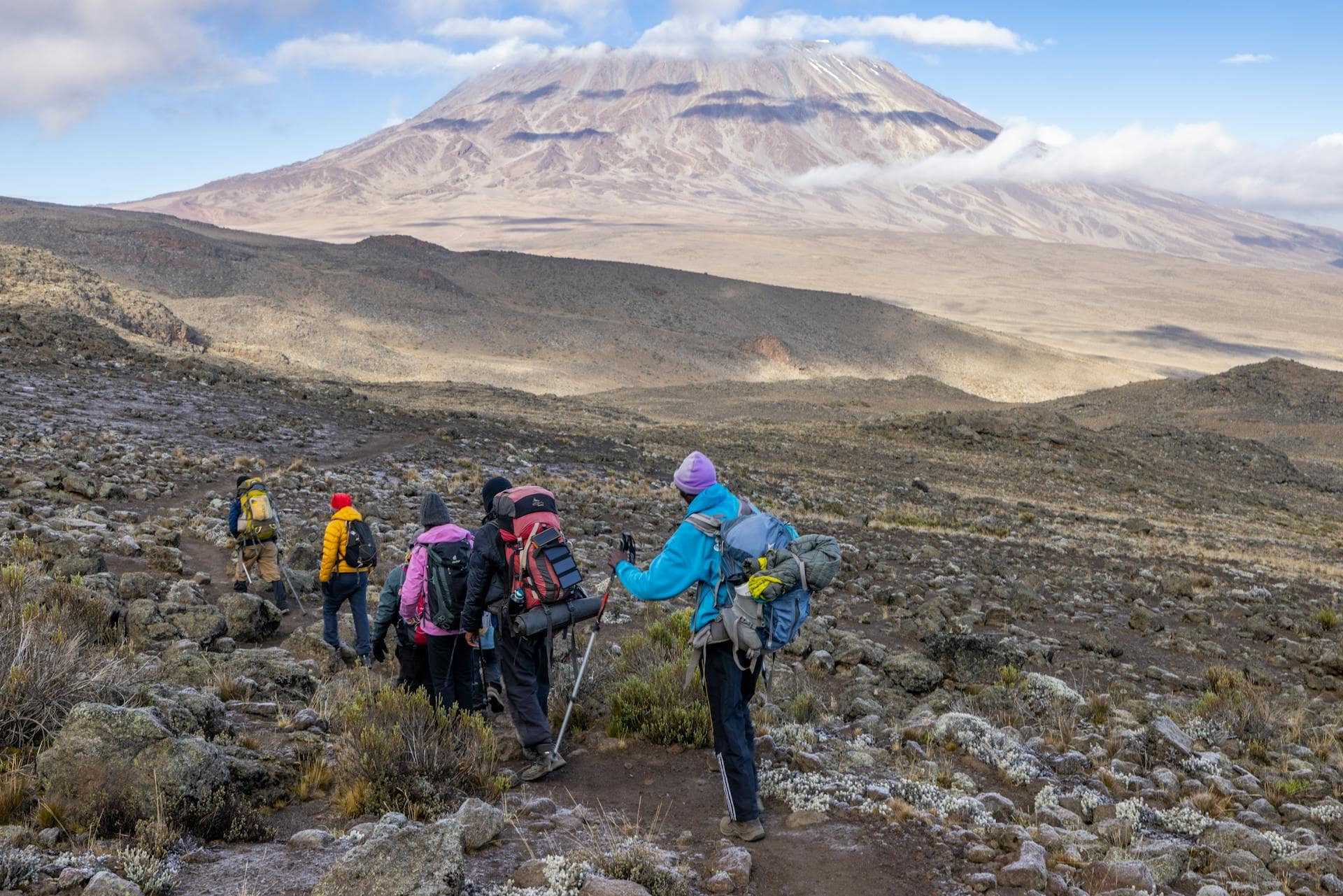
Timing is everything on Kilimanjaro. The difference between a triumphant summit photo and a weather-beaten retreat often comes down to choosing the right month. While general seasonal advice helps, the real story lies in the nuanced differences between each climbing window.
This month-by-month breakdown cuts through the guesswork, giving you the intelligence to match your climb with your priorities—whether that’s guaranteed sunshine, empty trails, or budget-friendly rates.
January is one of the best months to climb Kilimanjaro, offering excellent weather conditions, clear skies, and moderate crowds after the December holiday rush.
Weather Conditions: January falls within the shorter dry season, characterized by mostly sunny days and minimal rainfall. Mornings are usually crystal clear, with clouds forming in the afternoons, though significant rain is rare. During night climbs, summit temperatures range from -15 to -25 degrees Celsius, while daytime temperatures at lower camps are comfortably between 15 and 20 degrees Celsius. The humidity is low, providing ideal trekking conditions and excellent visibility.
Trail Conditions: Trails are generally dry and well-packed following the short rains that ended in December. The rainforest zone may retain some moisture early in the month but typically dries quickly. Slopes on summit approaches are firm in the pre-dawn cold, providing good footing during the summit night. Mud is minimal except possibly in deeply shaded forest sections.
Vegetation and Scenery: Lower elevations remain relatively lush from December rains, creating vibrant green landscapes in farmlands and forests. Wildflowers bloom in heath and moorland zones, adding color to the otherwise stark volcanic landscape. The combination of lush lower zones and clear upper mountain views creates spectacular photographic opportunities.
Crowds and Atmosphere: January experiences moderate to high traffic, though less congested than peak July-August periods. European winter holidaymakers extend December trips into early January, while some North American climbers visit during university winter breaks. Popular routes like Machame and Marangu see steady traffic, but campsites rarely reach capacity. Quieter routes like Rongai and Northern Circuit remain relatively peaceful.
Wildlife Activity: The dry conditions and lush vegetation in lower zones create favorable wildlife viewing. Colobus monkeys are active in rainforest sections, and diverse birdlife is easily spotted. Small mammals occasionally appear near camps, particularly in less-trafficked areas.
Costs: January pricing typically falls into mid-range to high season rates. While not at absolute peak season pricing, costs remain elevated compared to shoulder seasons. Discounts are rare, though booking last-minute can occasionally yield deals as operators fill remaining spots.
Success Rates: Summit success rates in January are excellent, typically 85 to 95 percent for seven-plus-day routes. The stable weather, dry conditions, and clear visibility contribute to high success rates. Altitude remains the primary challenge rather than weather complications.
Special Considerations: Early January can still see residual effects from December’s holiday crowds, particularly in the first week. Mid to late January offers optimal balance of excellent weather with slightly reduced crowds. The clear skies make January ideal for photography enthusiasts and those prioritizing spectacular views.
February represents arguably the best overall month for climbing Kilimanjaro, combining excellent weather, moderate crowds, and stable conditions.
Weather Conditions: February continues the shorter dry season with even more reliable weather than January. Precipitation is minimal across all elevations. Clear mornings are the norm, with afternoon cloud development that typically dissipates by evening. Summit conditions remain harsh with temperatures of minus 15 to minus 25 degrees Celsius, but lower camps enjoy pleasant daytime temperatures of 15 to 22 degrees Celsius. Wind speeds are generally moderate, making summit night less brutal than in some months.
Trail Conditions: Trails are in excellent condition throughout February. Dry weather has thoroughly dried forest sections, while upper elevation trails are well-packed and stable. Scree slopes are firm during night climbing, transitioning to loose but manageable conditions in daytime warmth. Stream crossings on some routes are at low water levels, making them easier.
Vegetation and Scenery: Lower elevations remain beautifully green early in the month, gradually becoming drier as February progresses. Heath and moorland zones feature diverse alpine flora. The decreasing rainfall means vegetation becomes slightly less lush than January, but scenery remains spectacular. Atmospheric clarity is exceptional, providing stunning mountain views and distant horizon visibility.
Crowds and Atmosphere: February sees moderate to high crowds, particularly from climbers escaping Northern Hemisphere winter. The month is popular with European climbers, while North American and Asian climbers also visit in significant numbers. Machame Route experiences steady traffic, though not overwhelming. Booking a month or two in advance secures spots with quality operators.
Wildlife Activity: Dry conditions concentrate wildlife near water sources, making sightings more predictable in lower zones. Forest sections offer good primate viewing, while bird diversity remains high. The stable weather makes wildlife more active and visible.
Costs: February pricing reaches near-peak levels. Operators charge close to high season rates given the excellent conditions and steady demand. Discounts are uncommon, and last-minute deals are rare as trips book well in advance. Budget-conscious climbers may find slightly better value in late February as the month transitions.
Success Rates: Success rates in February are excellent, matching or exceeding January figures at 85 to 95 percent for longer routes. Weather-related turnarounds are rare. Most failures result from altitude sickness rather than weather complications, emphasizing the importance of proper acclimatization over seasonal timing.
Special Considerations: February is ideal for first-time Kilimanjaro climbers seeking maximum success probability. The stable weather reduces variables, allowing focus on altitude adaptation and physical performance. Photographers appreciate the clear skies and excellent lighting. Families climbing together benefit from the predictable conditions.
March represents Kilimanjaro’s most unpredictable month, transitioning from dry season to long rains. Early March offers good conditions, while late March becomes increasingly wet.
Weather Conditions: Early March (first two weeks) typically maintains dry season characteristics with mostly sunny days and minimal rain. However, the long rainy season usually begins mid to late March, bringing afternoon thunderstorms, overcast skies, and significant precipitation. The transition timing varies yearly, making March scheduling a calculated risk. Summit temperatures remain consistently cold at minus 15 to minus 25 degrees Celsius. Lower elevation temperatures increase as spring progresses, reaching 18 to 25 degrees Celsius during day.
Trail Conditions: Trail conditions deteriorate as March progresses. Early March trails remain dry and excellent. Mid-March sees increasing mud in rainforest zones as rains begin. Late March trails become muddy and slippery throughout lower elevations, though upper mountain routes remain relatively dry due to precipitation falling as snow rather than rain.
Vegetation and Scenery: Lower zones begin showing signs of extended dry season stress early in March, with vegetation appearing less vibrant. However, once rains begin mid to late month, landscapes green rapidly within days. The transition from dry to wet creates dynamic scenery changes. Cloud cover increases significantly once rains begin, obscuring views and reducing photographic opportunities.
Crowds and Atmosphere: March crowds decline sharply mid-month as savvy climbers avoid the approaching rainy season. Early March sees reasonable traffic, while late March feels nearly empty on most routes. Popular camps that feel congested in February become almost private by late March. The decreasing crowds appeal to solitude-seekers willing to accept weather risks.
Wildlife Activity: Wildlife responds to the approaching rains with increased activity as vegetation responds. Bird migration patterns shift, bringing different species. Forest zones become more active as animals sense approaching wet season.
Costs: March pricing begins transitioning to shoulder season rates. Early March may still command near-peak pricing, but mid to late March sees discounts of 10 to 20 percent as operators try attracting climbers despite weather risks. Negotiation becomes possible, particularly for last-minute bookings.
Success Rates: Success rates decline as March progresses. Early March maintains 80 to 90 percent success rates similar to dry season. Late March drops to 70 to 80 percent as weather creates additional challenges. Rain, mud, and reduced visibility don’t prevent summiting but make the experience more difficult.
Special Considerations: March is a gambling month. Climbing in the first half offers good probability of dry conditions at reduced costs compared to February. Climbing in the second half saves more money but significantly increases weather challenge probability. Flexible travelers who can adjust dates based on weather forecasts gain advantages. Those on fixed schedules should probably avoid late March entirely.
April sits firmly within the long rainy season, representing Kilimanjaro’s wettest and most challenging month for climbing.
Weather Conditions: April brings heavy, sustained rainfall particularly at lower and middle elevations. Expect rain or drizzle most days, with afternoon thunderstorms common. Mornings may start clear but clouds build rapidly. Upper elevations receive precipitation as snow, creating accumulation that makes summit approaches more difficult. Summit temperatures remain brutal at minus 15 to minus 25 degrees Celsius, compounded by wet conditions at lower camps. Humidity is high, making drying wet gear essentially impossible.
Trail Conditions: Trails become extremely challenging in April. Rainforest zones turn into muddy slogs requiring careful footing to avoid slipping. Roots and rocks become slick hazards. Upper elevation trails fare better, though snow accumulation on summit approaches creates new challenges. Scree slopes may be icy, requiring more careful ascent techniques. Stream crossings swell with runoff, occasionally becoming impassable.
Vegetation and Scenery: Lower zones explode with lush growth as heavy rains nurture vegetation. Forests become incredibly green and vibrant, with wildflowers blooming prolifically. However, persistent clouds often obscure this beauty, limiting visibility and photographic opportunities. Upper mountain views are frequently shrouded in cloud, with summit vistas rare. Many climbers complete entire ascents with minimal clear sky time.
Crowds and Atmosphere: April sees the year’s lowest climbing traffic. Popular routes feel abandoned, with some days passing without encountering other climbing parties. Camps designed for dozens of tents may have only two or three groups. This extreme solitude appeals to adventurers seeking wilderness experiences, though most climbers avoid April entirely due to weather.
Wildlife Activity: The wet season brings maximum wildlife activity in lower zones. Forests teem with life, birds are abundant, and plant diversity peaks. However, poor visibility and rain often prevent enjoyment of enhanced wildlife activity.
Costs: April offers the year’s deepest discounts, typically 20 to 30 percent below peak season rates. Operators struggle to fill climbs and offer aggressive pricing to attract the few adventurous climbers willing to brave the rains. Last-minute deals are readily available.
Success Rates: Success rates drop to 60 to 75 percent even for longer routes. Weather-related turnarounds increase significantly. Summit night in rain or heavy snow creates miserable conditions testing even experienced climbers’ determination. Many who reach the summit question whether the suffering was worthwhile.
Special Considerations: Only climbers with flexible attitudes, extensive bad-weather hiking experience, and acceptance that suffering is guaranteed should consider April. The cost savings are substantial, but the experience quality suffers proportionally. Consider April only if: you’ve already summited Kilimanjaro and want a different experience, you have extensive mountaineering experience in adverse conditions, budget constraints absolutely require discount pricing, or you genuinely prefer solitude over comfort.
May continues the long rainy season though with gradually improving conditions as the month progresses toward dry season.
Weather Conditions: Early May maintains April’s rainy character with frequent precipitation at all elevations. However, mid to late May begins transitioning toward drier conditions as the long rains taper off. Expect mixed conditions: some beautiful clear days interspersed with rainy periods. The unpredictability continues, though generally improving through the month. Summit temperatures remain cold at minus 15 to minus 25 degrees Celsius. Lower camps become increasingly pleasant as May progresses, with temperatures of 15 to 22 degrees Celsius when skies clear.
Trail Conditions: Trails remain muddy and challenging early May but begin improving significantly by month’s end. Rainforest zones stay wet longest, while upper elevations dry more quickly. Late May trails can be surprisingly good on upper mountain sections, though forest mud persists. Stream levels remain elevated but manageable.
Vegetation and Scenery: Vegetation reaches peak lushness in May after weeks of heavy rain. Lower zones are spectacularly green and vibrant. As skies begin clearing late in the month, the combination of lush landscapes and improved visibility creates stunning scenery for lucky climbers. Upper mountain glaciers and snowfields appear fresh and white from recent precipitation.
Crowds and Atmosphere: May remains very quiet with minimal climbing traffic. Early May sees few climbers, while late May begins attracting adventurous travelers anticipating June’s dry season onset. The solitude remains nearly as profound as April, offering wilderness experiences increasingly rare on popular mountains.
Wildlife Activity: Wildlife activity remains high throughout May as wet season continues. Forest zones are alive with animal activity, and bird diversity peaks. Improved weather toward month’s end makes wildlife observation more pleasant than during April’s constant rain.
Costs: May pricing remains heavily discounted at 15 to 25 percent below peak season. Early May offers the deepest discounts as operators struggle with April’s extended slow period. Late May discounts decrease slightly as demand picks up anticipating June’s dry season. Booking flexibility allows negotiation, particularly for last-minute trips.
Success Rates: Success rates improve from April’s lows, ranging from 70 to 80 percent. Late May approaches dry season success rates as conditions improve. Weather remains a complicating factor but becomes less determinative of outcomes. Altitude reasserts itself as the primary challenge rather than weather.
Special Considerations: Late May (final week or two) represents a potentially excellent value opportunity for risk-tolerant climbers. Conditions are improving toward dry season quality while pricing remains discounted. However, no guarantees exist—you might experience perfect weather or catch the long rains’ final hurrah. Early May should be avoided unless you have specific reasons for climbing during challenging conditions.
June marks the longer dry season’s official start, offering improving conditions, increasing crowds, and transitioning to high season pricing.
Weather Conditions: June features generally excellent weather with predominantly sunny days and minimal precipitation. Early June may still experience occasional rain as long rainy season effects fully dissipate, but mid to late June offers reliably dry conditions. Summit temperatures remain harsh at minus 15 to minus 25 degrees Celsius. Lower camp daytime temperatures are comfortable at 15 to 20 degrees Celsius, though June sits within Tanzania’s “winter” bringing cooler temperatures than warmer months.
Trail Conditions: Trails dry rapidly in June. Early month may find lingering mud in deeply shaded forest sections, but most routes are in good condition. By mid-June, trails are excellent throughout. Upper mountain routes are dry with well-packed scree. The cooler temperatures and lower humidity make trekking comfortable, with less heat exhaustion risk than warmer months.
Vegetation and Scenery: Lower zones retain May’s lush green appearance early in the month but gradually become drier as June progresses. The landscape remains attractive though less vibrant than peak rainy season. Upper mountain visibility is excellent with clear skies allowing stunning views of glaciers, distant peaks, and surrounding landscapes. Photography conditions are superb.
Crowds and Atmosphere: June marks the beginning of crowd increases leading toward July-August peaks. Early June remains relatively quiet as many climbers haven’t yet realized conditions have improved. Late June sees significant traffic increases as Northern Hemisphere summer begins. European and North American climbers arrive in increasing numbers. Popular routes become busier, though not yet overwhelming.
Wildlife Activity: Wildlife activity decreases slightly from rainy season peaks as dry conditions begin. However, animals remain active and visible, particularly near water sources. Forest zones offer good wildlife viewing opportunities.
Costs: June pricing transitions from shoulder season to high season rates. Early June may retain some discounting (5 to 10 percent below peak), but late June reaches full high season pricing. As demand increases, operators reduce or eliminate discounts. Booking several months in advance becomes advisable to secure preferred dates and operators.
Success Rates: Success rates are excellent in June, reaching 85 to 95 percent for longer routes. The stable weather, dry trails, and good visibility create optimal conditions. Only altitude-related issues prevent summits, with weather rarely interfering.
Special Considerations: June represents excellent value for climbers flexible about specific timing. Early June offers near-peak conditions at not-quite-peak pricing, creating a sweet spot. Students on summer break, families with school-age children, and professionals with summer vacation flexibility all benefit from June climbing. The month balances good weather with manageable crowds better than July-August peaks.
July represents Kilimanjaro’s busiest month, bringing maximum crowds, highest prices, and consistently excellent weather.
Weather Conditions: July offers some of the year’s most reliable weather. Clear, sunny days are the norm with minimal precipitation. Summit conditions are brutally cold at minus 20 to minus 30 degrees Celsius due to clear skies allowing maximum radiative cooling. Lower camp temperatures are cool at 10 to 18 degrees Celsius—this is Tanzania’s coldest month at altitude. Humidity is low, creating comfortable daytime trekking despite cool temperatures.
Trail Conditions: Trails are in excellent condition throughout July. Dry weather has thoroughly dried all routes. Rainforest mud is absent except in permanently wet seeps. Upper mountain trails are well-packed from heavy traffic. However, the extensive foot traffic also creates dusty conditions and trail widening in some sections.
Vegetation and Scenery: Lower zones appear dry and brown after weeks without rain. The landscape lacks the vibrant green of wet season but compensates with exceptional visibility. Upper mountain views are spectacular with crystal-clear skies. Sunset and sunrise displays are stunning, and stargazing opportunities are phenomenal due to clear, dark skies.
Crowds and Atmosphere: July brings Kilimanjaro’s most congested conditions. Popular routes feel crowded with dozens of groups on trails and campsites at capacity. Machame and Marangu routes resemble highways during busy periods. Barafu Camp on summit night creates traffic jams as hundreds of climbers ascend simultaneously. Some find the social atmosphere enjoyable, while others feel the crowds detract from wilderness experience. Quieter routes like Rongai and Northern Circuit offer better solitude even during July.
Wildlife Activity: Wildlife activity is moderate in July’s dry conditions. Animals congregate near water sources, making them easier to locate but potentially more cautious due to climber traffic. Forest zones still offer wildlife viewing though less abundant than wet season.
Costs: July commands absolute peak pricing with no discounts available from quality operators. Prices reach annual maximums, sometimes 30 to 40 percent above shoulder season rates. Premium operators book months in advance, and last-minute availability is limited to budget operators or cancellations.
Success Rates: Despite cold summit conditions, success rates remain excellent at 85 to 95 percent for longer routes. The stable weather and well-maintained trails create optimal conditions. Crowds can complicate summit night logistics, but experienced guides navigate congestion effectively.
Special Considerations: July is ideal for climbers requiring specific timing due to work schedules, school holidays, or coordination with other travelers. The reliability makes planning easier, and the crowds create social atmosphere some enjoy. However, solitude-seekers should avoid July entirely or choose quieter routes. Book at least 4 to 6 months in advance for quality operators.
August extends July’s peak season characteristics with similar crowds and excellent conditions, though slightly warming temperatures.
Weather Conditions: August maintains excellent weather nearly indistinguishable from July. Clear, sunny days predominate with minimal precipitation. Summit conditions remain harsh at minus 15 to minus 25 degrees Celsius, marginally warmer than July. Lower camp temperatures increase slightly to 12 to 20 degrees Celsius as spring approaches. The reliable weather continues making August one of the year’s best months for conditions.
Trail Conditions: Trails remain in excellent condition, thoroughly dry and well-maintained. The extensive traffic keeps trails packed but also creates some erosion and widening. Dust can be significant in dry sections. Overall, trail conditions remain very good throughout the mountain.
Vegetation and Scenery: Lower zones remain dry and brown from extended drought. Vegetation appears stressed with minimal green except in permanently watered areas. However, the clear skies and excellent visibility create spectacular mountain views. Upper elevations showcase stunning glaciers and volcanic formations with perfect clarity.
Crowds and Atmosphere: August crowds match or slightly exceed July levels. European holiday schedules keep traffic high, while North American climbers continue arriving. Popular routes remain congested throughout the month. Booking well in advance (4 to 6 months) is essential for quality operators and preferred dates.
Wildlife Activity: Wildlife activity mirrors July with animals concentrated near water. Dry conditions reduce overall animal visibility compared to wet season, though dedicated observers still enjoy sightings in lower zones.
Costs: August pricing matches July’s peak rates with no discounts. Expect to pay premium prices for premium conditions and peak season demand. Budget operators may offer slight savings but often with reduced service quality.
Success Rates: Success rates remain excellent at 85 to 95 percent for longer routes. Weather is reliable, making altitude the primary determinant of success rather than external conditions.
Special Considerations: Late August begins transitioning toward September’s slightly reduced crowds. Climbers scheduling late August departures sometimes find marginally better availability and occasionally minor price reductions as operators transition toward shoulder season. However, these differences are subtle—August largely continues July’s characteristics.
September offers arguably the best overall balance of excellent weather, decreasing crowds, and slightly reduced pricing.
Weather Conditions: September weather rivals July-August quality while temperatures moderate. Clear, sunny days continue with minimal precipitation. Summit conditions warm slightly to minus 15 to minus 20 degrees Celsius, still demanding but less brutal than mid-winter months. Lower camp temperatures increase to 15 to 22 degrees Celsius, creating very comfortable trekking conditions. The combination of stable weather and pleasant temperatures makes September physically comfortable.
Trail Conditions: Trails remain in excellent condition throughout September. Dry weather continues while trail traffic begins decreasing, reducing erosion and congestion. Conditions are optimal across all routes and elevations.
Vegetation and Scenery: Lower zones remain dry early in September but begin responding to increasing temperatures and occasional moisture. Landscapes start showing hints of green as month progresses. Upper mountain visibility remains excellent with clear skies. The improving vegetation combined with outstanding weather creates beautiful conditions.
Crowds and Atmosphere: September sees decreasing crowds as European and North American school holidays end. Early September may still feel busy, but mid to late September traffic drops noticeably. Popular routes remain active but no longer feel congested. This reduction in crowds while maintaining excellent weather makes September highly appealing to many climbers.
Wildlife Activity: Wildlife activity increases as animals sense approaching wet season. Dry conditions still concentrate animals near water, making viewing predictable. Overall activity levels rise compared to peak winter months.
Costs: September pricing begins transitioning from peak to shoulder season. Early September may maintain high season rates, but mid to late September sees reductions of 5 to 15 percent. Operators become more willing to negotiate, and last-minute deals occasionally appear as peak season definitively ends.
Success Rates: Success rates remain excellent at 85 to 95 percent. The continued excellent weather combines with comfortable temperatures creating ideal summit conditions. September arguably offers the best overall conditions of any month.
Special Considerations: September represents the “sweet spot” for many experienced climbers. Excellent weather, comfortable temperatures, reduced crowds, and slightly lower costs create optimal overall value. The month is ideal for climbers with schedule flexibility who can avoid peak season constraints. Photographers appreciate the improving vegetation and continued clear skies.
October marks the transition from dry season toward short rains, offering variable conditions depending on specific timing within the month.
Weather Conditions: Early October maintains September’s excellent weather with clear skies and minimal rain. However, mid to late October becomes increasingly unpredictable as short rains approach. The transition timing varies yearly, creating uncertainty. Summit temperatures remain cold at minus 10 to minus 20 degrees Celsius. Lower camps warm to 18 to 25 degrees Celsius, making daytime trekking very comfortable when weather cooperates.
Trail Conditions: Trails remain excellent early October. As month progresses and rains begin, mud develops in lower zones though upper mountain routes stay relatively dry. By late October, rainforest sections can be muddy, while higher elevations remain good.
Vegetation and Scenery: Lower zones begin greening as rains arrive, transforming brown landscapes into vibrant green within days. The transition creates dynamic scenery changes. Cloud cover increases toward month’s end, reducing visibility and photographic opportunities compared to September.
Crowds and Atmosphere: October crowds are light to moderate. Early October still attracts decent traffic, while late October sees significant decreases as short rains discourage climbers. The reduced traffic creates pleasant, uncrowded experiences on most routes.
Wildlife Activity: Wildlife activity increases throughout October as animals respond to approaching rains. Bird migration brings different species, and forest zones become more active.
Costs: October pricing clearly enters shoulder season with discounts of 10 to 20 percent below peak season. Late October may offer even deeper discounts as operators anticipate November’s slow period. Negotiation becomes increasingly possible.
Success Rates: Success rates remain good at 80 to 90 percent early October but decline toward 70 to 85 percent late month as weather variability increases. The decreasing success rates reflect weather complications rather than altitude challenges.
Special Considerations: Early October offers excellent value—conditions approaching September quality at reduced October pricing. Late October becomes gambling territory where you might experience great weather or might catch the short rains’ beginning. Risk-tolerant climbers find good value in October, while risk-averse climbers should probably wait until January.
November sits within the short rainy season, though conditions are generally less severe than April-May long rains.
Weather Conditions: November brings afternoon thunderstorms, overcast mornings, and significant precipitation particularly at lower and middle elevations. However, mornings often start clear before clouds build, and rain is less persistent than long rainy season. Summit temperatures are mild by Kilimanjaro standards at minus 10 to minus 15 degrees Celsius. Lower camps are warm at 18 to 28 degrees Celsius, sometimes uncomfortably hot and humid.
Trail Conditions: Trails become muddy in lower zones though not as severely as April. Rainforest sections require careful footing on slick roots and rocks. Upper elevations remain relatively dry as precipitation falls as snow. Overall trail conditions are challenging but manageable.
Vegetation and Scenery: Lower zones explode with lush growth from November rains. Forests are vibrant and green, wildflowers bloom prolifically, and the landscape feels alive. However, clouds often obscure views, limiting appreciation of the enhanced beauty.
Crowds and Atmosphere: November is quiet with minimal climbing traffic. Most routes feel empty, providing solitude-seekers with wilderness experiences. The combination of light crowds and manageable weather (better than April-May) attracts adventurous climbers comfortable with uncertainty.
Wildlife Activity: Wildlife activity is high with wet season supporting abundant animal life. Forest zones teem with activity, though rain often interferes with viewing.
Costs: November offers deep discounts of 15 to 25 percent below peak season. Operators eager to maintain some business during slow periods price aggressively. Last-minute deals are available.
Success Rates: Success rates range from 70 to 85 percent depending on weather luck. Some groups experience perfect conditions and summit easily, while others face rain creating additional challenges.
Special Considerations: November appeals to budget-conscious climbers willing to accept weather uncertainty. Late November begins transitioning toward December’s improving conditions, potentially offering better weather while retaining November’s lower pricing.
December brings improving weather as short rains end combined with holiday season crowds creating unique dynamics.
Weather Conditions: Early December may still experience short rains effects with occasional afternoon showers. However, mid to late December transitions solidly to dry conditions. By Christmas week, weather is typically excellent with clear skies and sunshine. Summit temperatures are mild at minus 10 to minus 15 degrees Celsius. Lower camps are warm at 18 to 25 degrees Celsius.
Trail Conditions: Trails improve dramatically as December progresses. Early month may have lingering mud from November rains, but trails dry quickly in the improving weather. By late December, conditions are excellent across all routes.
Vegetation and Scenery: Lower zones remain lush and green from recent rains, creating beautiful landscapes. The clearing weather provides excellent visibility, combining lush vegetation with clear mountain views. This combination makes December scenically attractive.
Crowds and Atmosphere: December experiences unusual crowd dynamics. Early December is relatively quiet, but Christmas week through New Year brings substantial crowds as holiday travelers flood the mountain. Booking during Christmas week requires very early reservations (6+ months advance) as peak holiday demand fills quality operators.
Wildlife Activity: Wildlife activity remains elevated from wet season effects. Lush lower zones support diverse animal life, and viewing opportunities are good.
Costs: December pricing transitions from shoulder season to high season. Early December may retain some discounting, but Christmas week commands premium pricing often exceeding even July-August rates due to holiday demand. Some operators charge holiday surcharges during Christmas week.
Success Rates: Success rates are excellent in December at 85 to 95 percent, particularly mid to late month when conditions stabilize. The improving weather and comfortable temperatures create good summit conditions.
Special Considerations: Early December represents excellent value with improving conditions and moderate pricing. Christmas week requires very early booking and premium budgets but offers festive atmosphere as climbers from around the world celebrate holidays on the mountain. New Year’s Eve summits are popular though logistically challenging given timing.
Maximum Success & Reliability: January, February, June, July, August, September—consistently excellent conditions, 85-95% success rates.
Budget-Conscious: April, May, November, early December—significant savings (15-30% off) for weather uncertainty.
Solitude Seekers: April, May, November, early December—nearly private mountain experiences.
First-Timers & Families: February, June, September—optimal balance of conditions, crowds, and pricing.
Best Overall Value: Early June and September—peak conditions without peak pricing.
Avoid If Possible: Late March, April—unless you’re an experienced mountaineer seeking challenge over comfort.
February and September offer the best overall balance. February delivers the year's most stable weather with 85-95% success rates, while September matches those conditions with slightly warmer temperatures, fewer crowds, and lower costs. Early June also deserves consideration as a value sweet spot.
Yes, the mountain is open year-round, but April and May (long rains) present significant challenges with muddy trails, limited visibility, and success rates dropping to 60-75%. Only experienced mountaineers comfortable with adverse conditions should attempt these months.
Avoid late March through May unless budget is your absolute priority and you have extensive bad-weather hiking experience. November (short rains) is more manageable but still unpredictable. April represents the worst combination of challenging conditions and reduced success rates.
July and August are peak months with "traffic jams" on popular routes like Machame during summit night. April, May, and November are quietest—you may not see other climbers for days. For good weather with manageable crowds, choose early June or September.
Shoulder season (March, early June, October, early December) offers 10-20% discounts. Rainy season (April, May, November) provides 15-30% savings. Christmas week actually costs MORE than peak season despite being December.
Match the month to your priorities: If crowds bother you, avoid July-August even though weather is perfect. If budget is tight, shoulder season offers significant savings. If this is your only shot at Kilimanjaro, prioritize success rate over cost by choosing February, June, or September.
Peak season (July-August, Christmas week): 4-6 months minimum. Shoulder season (June, September, October): 2-3 months. Rainy season: Last-minute bookings are often available, sometimes within weeks of departure.

We believe adventure should inspire, not exploit. Every expedition we guide creates meaningful employment for local families, supports community development, and preserves the natural wonders we’re privileged to explore.
* Sign up to receive curated travel ideas, seasonal discounts.
Copyright © 2025 All Rights Reserved.