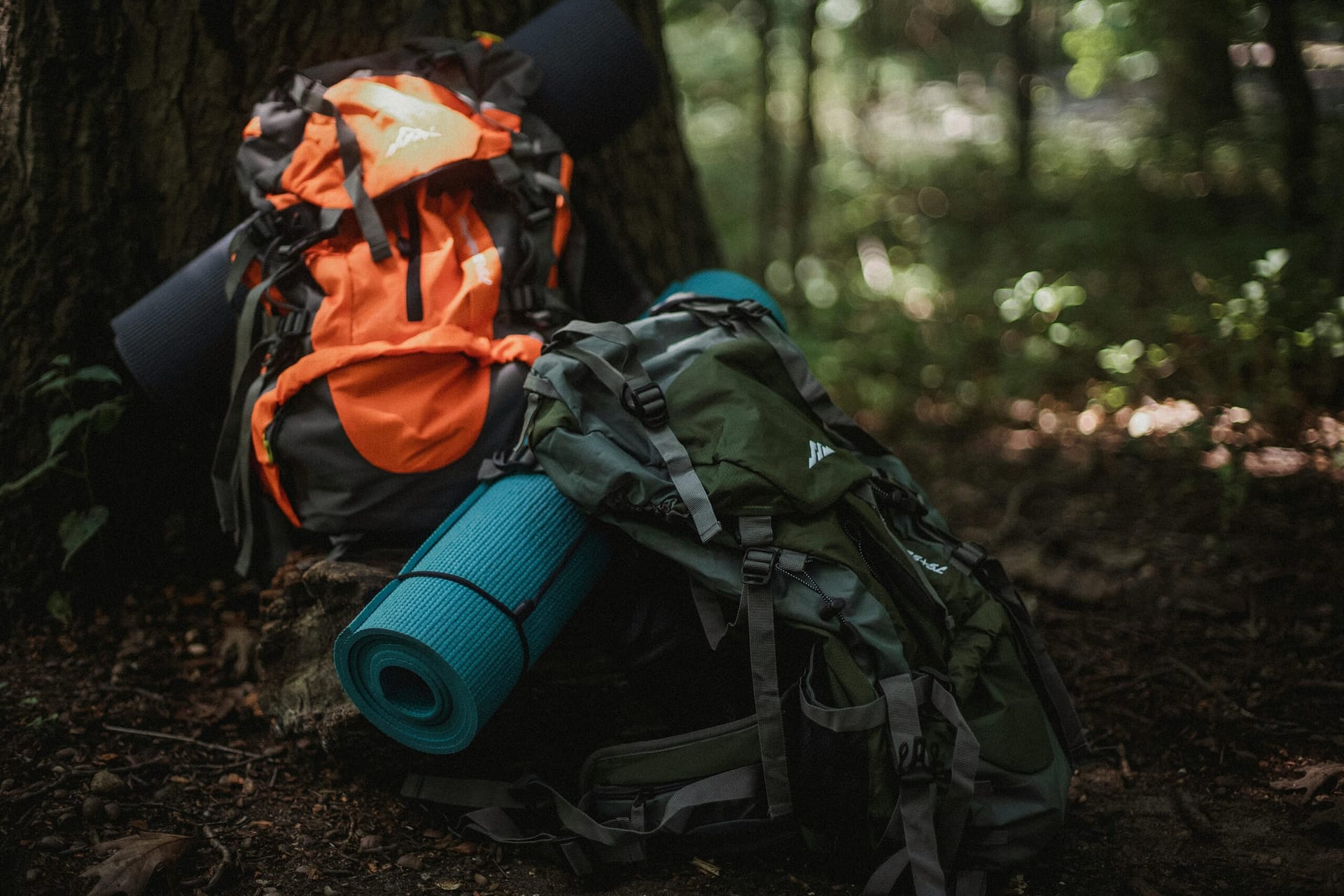
Proper equipment makes the difference between miserable suffering and comfortable success on Mount Kilimanjaro. The mountain’s extreme altitude and dramatic climate zones demand specialized gear that protects you from tropical rain, freezing summit temperatures, and everything between. Unlike technical mountaineering requiring ropes and harnesses, Kilimanjaro needs no specialized climbing equipment – but the clothing, camping gear, and accessories you bring significantly impact your experience and summit chances. This comprehensive guide details every item you need, quality considerations, where to acquire gear, and how to pack efficiently for Africa’s highest peak.
Mount Kilimanjaro presents unique equipment challenges due to its position near the equator and dramatic elevation gain. You’ll trek through five distinct climate zones over several days, experiencing temperatures ranging from 30 degrees Celsius in tropical rainforest to minus 20 degrees Celsius at the summit. This extreme variation demands versatile gear that layers effectively.
Altitude effects equipment performance beyond just challenging your body. Water freezes in bladder tubes overnight at high camps. Electronics drain batteries rapidly in extreme cold. Wet clothing from rain or sweat may not dry at altitude due to cold temperatures and thin air. Understanding these environmental factors helps you select and manage gear effectively.
Weight matters significantly. While porters carry your main duffel bag, you’ll carry a daypack containing immediate necessities for 6 to 8 hours daily. Every unnecessary item in your daypack causes cumulative fatigue over days of trekking. Thoughtful packing balances preparedness against weight burden.
Quality gear is non-negotiable for summit success. Cheap sleeping bags, inadequate footwear, or poor rain protection create misery and potentially dangerous situations. However, top-tier expedition equipment exceeds Kilimanjaro’s requirements. Mid-range quality gear from reputable outdoor brands provides excellent performance without excessive cost.
Footwear represents your most critical gear investment. Your feet carry you approximately 100 kilometers over varied terrain, steep ascents, and long descents. Proper boots prevent blisters, provide support, keep feet warm and dry, and reduce injury risk.
Choose quality hiking boots with full ankle support, excellent waterproofing, and substantial sole cushioning. Full-grain leather or modern synthetic materials both perform well. Boots should feel comfortable immediately but still benefit from breaking in over 50 to 100 kilometers before your climb.
Proper fit is paramount. Visit specialized outdoor retailers for professional fitting. Boots should feel snug but not tight, with minimal heel lift when walking. Try boots with the thick socks you’ll wear on Kilimanjaro. Toes should not touch the boot’s front when descending steep angles. Many climbers size up a half or full size to accommodate thick socks and swelling that occurs during multi-day treks.
Insulation matters for Kilimanjaro. While not requiring full mountaineering boots, your boots need insulation for summit night when temperatures plummet. Many modern hiking boots include insulation sufficient for Kilimanjaro’s conditions.
Waterproofing is essential. Gore-Tex or similar membranes keep feet dry during rainforest rain and summit snow while allowing perspiration to escape. Leather boots require regular treatment with waterproofing wax to maintain protection.
Camp shoes provide relief after long trekking days. Lightweight running shoes, sandals, or insulated booties allow your feet to breathe and recover. This seemingly minor item dramatically improves daily comfort.
Gaiters attach to boots and extend up lower legs, preventing rain, mud, and scree from entering boots. Gaiters prove invaluable in rainforest mud and on loose volcanic scree during summit night. Choose waterproof gaiters that fit your boots properly.
Proper socks prevent blisters and keep feet comfortable across varied conditions. Bring multiple pairs allowing daily changes, with extra pairs for summit night.
Liner socks made from synthetic or merino wool materials fit against skin, wicking moisture away and reducing friction. These thin socks form your first layer.
Outer socks provide cushioning, insulation, and additional moisture management. Choose midweight to heavyweight hiking socks in merino wool or synthetic blends. Avoid cotton socks entirely – they retain moisture, provide no insulation when wet, and virtually guarantee blisters.
Bring at least four to five pairs of liner socks and four pairs of outer socks. This allows daily changes with extras for summit night and contingencies. Washing socks during the trek is possible but drying them at altitude proves challenging.
Summit night requires your warmest sock combination. Some climbers bring dedicated heavyweight socks specifically for summit night, ensuring maximum insulation when it matters most.
Effective layering forms the foundation of comfort on Kilimanjaro. Your base layer sits against skin, wicking moisture away while providing initial insulation. Never use cotton base layers – cotton retains moisture, loses all insulating properties when wet, and creates dangerously cold conditions.
Merino wool base layers offer excellent performance through natural moisture-wicking, odor resistance, and insulation even when damp. Merino feels soft against skin and performs across wide temperature ranges. However, merino wool costs more than synthetics and wears more quickly.
Synthetic base layers (polyester, polypropylene) wick moisture effectively, dry quickly, and cost less than merino. Modern synthetics minimize odor through antimicrobial treatments. Synthetics excel in very wet conditions where rapid drying matters most.
Many experienced climbers prefer merino wool for Kilimanjaro due to its superior odor resistance during multi-day use. Wearing the same base layers for a week becomes more tolerable with merino than synthetics.
Bring two sets of base layers: one for trekking and one clean set for summit night. Base layer tops should be long-sleeved for sun protection and warmth. Base layer bottoms (long underwear) provide essential warmth at high altitude.
For upper body, bring two long-sleeved base layer tops. Lightweight versions work for lower elevations, while midweight provides warmth higher up. Some climbers bring one lightweight and one midweight top for versatility.
For lower body, bring two pairs of base layer bottoms (long underwear). Midweight versions work well for most climbers. One pair gets worn daily while the other stays clean for summit night.
Mid layers provide primary insulation, trapping warm air close to your body. Multiple mid layers allow adjusting insulation level as temperatures change throughout each day and at different elevations.
Fleece jackets excel as mid layers. Bring at least one medium-weight fleece (200-300 weight) that provides substantial warmth without excessive bulk. Fleece insulates even when damp, dries quickly, and breathes well during activity.
Down or synthetic insulated jackets provide maximum warmth for minimal weight. Puffy jackets become essential at high camps and during summit night. Down offers superior warmth-to-weight ratio and compresses smaller but loses insulation when wet. Synthetic insulation resists moisture better but weighs more and compresses less.
For Kilimanjaro, bring one mid-weight fleece jacket for daily wear and one puffy insulated jacket for camps and summit night. The puffy jacket should be rated for temperatures to minus 20 degrees Celsius given summit night conditions.
Soft-shell jackets provide wind and light rain protection while remaining breathable. These versatile layers work well during trekking in cool, windy conditions. While not strictly necessary, soft-shells add valuable versatility to your layering system.
Outer layers (shells) protect you from rain, wind, and snow while allowing body moisture to escape. Waterproof-breathable fabrics like Gore-Tex provide optimal performance.
A waterproof rain jacket with hood is absolutely essential. Choose a proper hardshell jacket rated truly waterproof (not just water-resistant). The jacket should fit loosely enough to layer underneath but not so baggy it catches wind. Pit zips provide ventilation during strenuous uphill sections.
Waterproof rain pants complete your shell system. Like your jacket, these should be truly waterproof hardshell pants. Full-length side zips allow putting them on without removing boots – essential when rain starts unexpectedly. Rain pants layer over your trekking pants when needed and stow in your pack otherwise.
For summit night, some climbers bring dedicated insulated pants worn over base layers and trekking pants. These provide additional warmth during the cold summit push. However, they’re not essential if you have good base layers and warm trekking pants, with rain pants adding wind protection.
Beyond layering systems, specific clothing items enhance daily comfort and performance.
Lightweight trekking pants or convertible zip-off pants work well for lower elevations. Quick-dry synthetic fabrics handle sweat and potential rain better than cotton. Some climbers prefer lightweight trekking pants that can be layered over base layer bottoms as temperatures drop.
Long-sleeved trekking shirts in moisture-wicking fabrics protect from sun while keeping you cool in lower elevations. Lightweight synthetic or merino wool shirts with collars provide sun protection and versatility.
Underwear in synthetic or merino wool materials provide comfort and moisture management. Bring sufficient pairs for daily changes (five to seven pairs) as washing and drying at altitude proves challenging.
Sports bras for women should be supportive and made from moisture-wicking materials. Bring multiple bras for daily changes during the trek.
Extremities require dedicated protection, especially at high altitude where they’re most vulnerable to cold.
A warm insulated hat covering ears is essential for summit night. Fleece or wool beanies work well. Bring at least two hats: one lightweight for daily use and one heavyweight for summit night.
Lightweight sun hats or baseball caps with brims protect from intense equatorial sun during daytime trekking. Wide-brimmed hats offer maximum protection but can catch wind. Many climbers prefer baseball caps for simplicity.
Buffs or neck gaiters provide versatile protection. These tube-shaped garments protect necks, can be pulled up over faces during wind or cold, and can be worn as headbands or hats. Bring at least one buff for flexibility.
Gloves require a layered system. Liner gloves in lightweight fleece or wool provide initial protection and can be worn alone during moderate conditions. Heavyweight insulated gloves or mittens (mittens are warmer) protect during summit night. Bring waterproof shell gloves to wear over insulated gloves if needed. Many climbers prefer a three-layer glove system: liners, insulated gloves, and waterproof shells.
Sunglasses with full UV protection are mandatory. High-altitude sun is intense, and reflection off snow and ice increases exposure. Category 3 or 4 lenses (darker) protect adequately. Choose sunglasses that fit comfortably with hat brims and can be secured with straps in wind.
Quality sleep at altitude is essential for recovery, acclimatization, and summit success. Your sleeping system directly impacts sleep quality.
Sleeping bags rated to at least minus 10 degrees Celsius (14 degrees Fahrenheit) are necessary for Kilimanjaro. Summit camps regularly experience temperatures to minus 20 degrees Celsius, but sleeping bag ratings account for wearing base layers and sleeping inside tents. Down sleeping bags offer superior warmth-to-weight ratios and compress smaller than synthetic bags. However, down loses insulation when damp. Synthetic bags resist moisture better but weigh more and compress less.
For most climbers, down sleeping bags provide the best solution for Kilimanjaro. They pack smaller in your duffel bag and perform excellently in typically dry summit night conditions. Bringing a sleeping bag liner adds warmth and protects your bag.
Many climbers rent quality sleeping bags in Tanzania from tour operators or Arusha/Moshi rental shops. Rental costs typically run $20 to $40 for the entire trek. Renting saves luggage space, avoids purchasing expensive bags for one-time use, and ensures you get bags specifically suited to Kilimanjaro’s conditions.
Sleeping pads insulate you from cold ground and provide cushioning for comfort. Your tour operator typically provides thin sleeping pads, but many climbers bring supplemental pads for additional comfort and insulation. Closed-cell foam pads are virtually indestructible and provide reliable insulation but offer minimal cushioning. Inflatable pads provide superior comfort and insulation but can puncture. Bring a patch kit if using inflatable pads.
Sleeping bag liners add warmth (typically 5-10 degrees Celsius), keep sleeping bags clean, and can be used alone in huts or warmer camps. Silk liners are lightweight and compact. Fleece liners add more warmth but bulk larger.
Pillows provided by tour operators are often minimal. Bring an inflatable camping pillow or use a stuff sack filled with soft clothes for better head support and sleep quality.
You’ll use two bags on Kilimanjaro: a large duffel bag for porters to carry and a daypack you carry yourself.
Duffel bags hold your main gear carried by porters. Regulations limit porter loads to 15 kilograms maximum for your personal gear (excluding porter’s own equipment). Choose durable duffel bags around 90 to 120 liters that cinch closed. Soft-sided duffels work better than rigid suitcases. Waterproof duffels or using waterproof liners inside regular duffels protect gear from rain.
Daypacks of 30 to 40 liters carry items you need during trekking: water, snacks, rain gear, camera, warm layers, sunscreen, and toiletries. Your daypack will weigh 5 to 8 kilograms typically. Choose packs with good back support, padded shoulder straps, sternum straps, and preferably hip belts. Integrated rain covers protect contents from rain.
Ensure your daypack fits properly before the trek. Adjust straps so weight distributes between shoulders and hips. An ill-fitting pack causes back pain and fatigue over long trekking days.
Dry bags or stuff sacks organize gear inside both your duffel and daypack. Separate bags for clothing categories, toiletries, electronics, and snacks make items easy to find. Waterproof dry bags protect critical items like sleeping bags and electronics.
Trekking poles significantly reduce stress on knees, improve balance on uneven terrain, and help maintain rhythm during long ascents. They’re especially valuable during steep descents when knees absorb enormous impact.
Choose adjustable poles that can be lengthened or shortened for varying terrain. Cork or foam grips feel more comfortable than rubber during long use. Carbide or steel tips grip rocky terrain, while rubber tip covers protect tips on rock and reduce noise.
Bring a pair of poles even if you’ve never used them. Many first-time users discover poles transform their trekking experience. Practice using poles during training hikes to develop proper technique before your Kilimanjaro attempt.
Some tour operators rent trekking poles in Tanzania for $10 to $20. This option saves luggage space and avoids purchase if you won’t use poles regularly after Kilimanjaro.
Proper hydration at altitude is critical, requiring 4 to 5 liters of water daily. Your hydration system must accommodate this volume, resist freezing, and allow convenient drinking during trekking.
Hydration bladders (Camelbak-style) with drinking tubes allow hands-free drinking while trekking. However, tubes freeze solid at high camps, making bladders useless during summit night. If bringing a bladder, use the bladder insulation sleeve and blow water back into the reservoir after each drink to prevent freezing.
Wide-mouth water bottles resist freezing better than narrow bottles and can be filled with hot water for warmth. Insulated bottle sleeves or bottle parkas provide additional freeze protection. Many experienced climbers prefer water bottles over bladders for Kilimanjaro due to freezing concerns.
The ideal solution combines both systems: a hydration bladder for convenient drinking during lower elevation trekking and wide-mouth bottles for high altitude. Bring at least 3 liters of total capacity.
Water purification tablets or filters may be needed depending on your operator. Many operators provide boiled water at camps, eliminating purification needs. Clarify water arrangements with your operator before departure.
Headlamps are essential for camp tasks after dark and absolutely critical for summit night. Most of your summit climb occurs in darkness, requiring reliable lighting for up to eight hours.
Choose headlamps with multiple brightness settings, red light mode (preserves night vision and doesn’t bother others), and adjustable beam angle. LED lights with at least 200 lumens provide adequate brightness.
Bring extra batteries or a fully charged rechargeable battery system. Cold drains batteries rapidly. Keep spare batteries warm in inside pockets. Many climbers bring lithium batteries, which perform better in extreme cold than alkaline batteries.
A backup light source provides redundancy if your primary headlamp fails. Small backup LED lights weigh almost nothing and could save your summit night if your headlamp malfunctions.
Personal care items enhance comfort but should be minimized for weight considerations.
Sunscreen with SPF 50+ protects against intense high-altitude UV radiation. Bring at least 100ml for face and exposed skin. Reapply regularly throughout each day.
Lip balm with SPF prevents painfully chapped lips. The combination of sun, wind, and cold brutally affects lips. Bring multiple tubes as they’re easy to lose.
Toothbrush, toothpaste, and biodegradable soap maintain hygiene. Small travel sizes minimize weight. Baby wipes or moist towelettes provide refreshing cleaning when water is limited.
Toilet paper and trowel for burying waste are necessary at some camps. Some camps have toilet facilities (often just pit latrines), while others require you to go in designated areas. Hand sanitizer is essential after toilet use.
Menstrual supplies for women should be planned carefully. Bring sufficient supplies for your entire trek plus extras. Disposal bags for used products are necessary as all waste must be carried down the mountain.
Prescription medications must be brought in sufficient quantity plus extras for delays. Keep medications in original containers with prescriptions for customs clearance.
First aid kit should include blister treatment (moleskin, Compeed patches), pain relievers (ibuprofen), altitude sickness medication (Diamox), anti-diarrheal medication, antibiotics if prescribed, bandages, and any personal medications.
Electronics require special consideration in cold, high-altitude conditions.
Cameras capture incredible memories, but protect them from cold and altitude. Extra batteries are essential as cold depletes charges rapidly. Keep spare batteries warm in inside pockets. Memory cards with adequate capacity prevent running out of storage during spectacular moments.
Smartphones can take excellent photos and provide emergency communication at lower elevations (signal exists sporadically). Power banks keep devices charged when electrical power is unavailable. Waterproof cases protect devices from rain and snow.
Solar chargers work at lower elevations but become less effective at altitude and in cold. If bringing solar chargers, have realistic expectations about their performance.
Trekking umbrella provides rain protection while maintaining ventilation. Some climbers swear by umbrellas for rainforest sections, though they can catch wind at higher elevations.
Book or Kindle provides entertainment during long afternoons in camp. Physical books weigh more but don’t require charging.
Journal and pen allow recording your experiences and thoughts. Many climbers treasure their Kilimanjaro journals as precious mementos.
Playing cards or small games provide entertainment and social bonding at camps.
Earplugs help if you’re sensitive to snoring tentmates or you share hut accommodations on Marangu.
For many items, renting in Tanzania versus purchasing presents financial and logistical considerations. Renting sleeping bags makes sense for most climbers – quality bags cost $300 to $600, while renting costs $20 to $40. Unless you plan future cold-weather camping, renting saves money and luggage space.
Trekking poles rent for $10 to $20 and save significant luggage space. If you won’t use poles regularly after Kilimanjaro, renting makes sense.
Clothing and boots should be purchased and broken in during training. Renting boots risks poor fit and blisters, while renting clothing risks inadequate quality or sizing issues.
Organize gear systematically using stuff sacks or packing cubes. Color-coded bags help identify contents quickly: blue for clothing, red for toiletries, yellow for electronics. This organization prevents frantic searching through your duffel for items.
Pack your duffel in logical layers. Items needed first (early camps) go on top, while summit night gear can be deeper. However, pack your warmest jacket accessible as temperatures can drop unexpectedly.
Keep essentials in your daypack: rain jacket, warm fleece, water, snacks, sunscreen, toilet paper, first aid items, camera, headlamp, and personal medications. These items must be immediately accessible during trekking.
Use waterproof stuff sacks or plastic bags for items that must stay dry: sleeping bag, extra clothing, and electronics. Even with waterproof duffels, internal waterproofing provides redundancy.
Quality equipment represents an investment in your Kilimanjaro success and comfort. While the total cost may feel substantial, proper gear prevents misery, reduces risk, and enhances your experience immensely. Many climbers discover their Kilimanjaro gear serves them well for years on subsequent adventures, justifying the initial investment.
Don’t compromise on critical items like boots, sleeping bags, and rain gear. These items directly impact your safety and success. However, recognize that you don’t need the most expensive expedition-grade equipment for Kilimanjaro. Mid-range quality from reputable brands performs excellently.
Test all gear during training hikes. Identify and address problems before departure. Breaking in boots, adjusting pack fit, and familiarizing yourself with equipment creates confidence and prevents surprises on the mountain.
Finally, remember that proper gear is necessary but not sufficient for success. Your determination, acclimatization, and mental toughness ultimately determine whether you reach Uhuru Peak. Quality equipment supports your effort but cannot replace preparation, positive attitude, and respect for the mountain. Combine proper gear with thorough training, and you’ll be well-equipped for Kilimanjaro’s challenges.
Begin planning at least six to twelve months before your intended climb date. This timeline allows adequate time for physical training, researching and booking reputable operators, visa processing, vaccination scheduling, and gear acquisition. Months 6-12 involve initial research and beginning fitness training; months 4-6 focus on booking your operator and acquiring gear; the final 2-3 months involve finalizing details and completing administrative requirements. Early planning also provides flexibility to book preferred operators and routes during peak season when popular companies fill quickly.
Total expedition costs typically range from $3,500 to $7,000 per person for international climbers, with mid-range budgets around $4,500 to $5,500. This includes tour operator fees ($1,500-$5,000), international airfare ($400-$2,000), gear ($800-$2,000 if purchasing new), travel insurance ($100-$300), visas and vaccinations ($300-$650), accommodation ($200-$1,000), and crew tips ($250-$350). Always budget 10-15% extra for unexpected costs. Mid-range operators ($2,000-$3,000) typically provide good value with ethical practices, while rock-bottom prices often mean corners are cut on porter welfare or equipment quality.
Prioritize operators with ethical porter welfare practices, experienced guides, and strong safety records. Look for certification from the Kilimanjaro Porters Assistance Project (KPAP) and membership in professional associations like KIATO. Verify that guides have Wilderness First Responder certification and extensive experience. Read reviews across multiple platforms looking for patterns rather than isolated complaints. Ensure operators provide proper wages, limit porter loads to 20 kilograms, and supply appropriate equipment for staff. Compare at least 3-5 operators thoroughly—the time invested in due diligence pays dividends in experience quality and peace of mind.
Schedule a comprehensive medical check-up at least three months before departure. Required vaccinations include yellow fever (documented on an International Certificate of Vaccination). Recommended vaccinations include Hepatitis A and B, typhoid, and tetanus-diphtheria. Consider malaria prophylaxis for time at lower elevations, though Kilimanjaro's high altitudes are malaria-free. Many climbers use Diamox (acetazolamide) to prevent altitude sickness, starting 1-2 days before ascent—trial it beforehand to ensure tolerance. Assemble a personal medical kit with altitude medications, antimicrobials, pain relievers, and blister treatment. Purchase travel insurance with helicopter evacuation coverage, as standard health insurance rarely covers international emergencies or mountain rescue.
This depends on your future plans and budget. If purchasing everything new, expect to spend $800-$2,000 on proper cold-weather clothing, sleeping bag rated to minus 10°C, boots, trekking poles, and accessories. However, you can rent some items in Tanzania (sleeping bags, trekking poles) for $10-$30 per item, saving money if you don't plan future high-altitude adventures. Never compromise on footwear—quality, broken-in hiking boots are non-negotiable and should be purchased, requiring 50-100 kilometers to break in properly. Whatever gear you choose, test everything during training hikes to identify and address problems before departure.
Verify your passport is valid at least six months beyond your intended departure date. Obtain a Tanzania visa—many nationalities can apply for e-visas online (taking several days to process) or obtain visas on arrival. Book international flights and arrange airport transfers to Kilimanjaro International Airport (JRO). Reserve pre-climb and post-climb accommodation in Arusha or Moshi. Purchase comprehensive travel insurance covering helicopter evacuation from altitude. Create copies of all important documents (passport, visas, insurance, tour confirmations) and store separately from originals with digital backups. Notify banks about Tanzania travel to prevent fraud alerts, and bring small denomination US bills ($1, $5, $10, $20) for tips and incidentals.
Visualize your climb regularly through mental rehearsal, imagining yourself hiking steadily, managing altitude symptoms, and standing on Uhuru Peak. Develop positive mantras for difficult moments like "one step at a time" or "I am strong enough" to use during summit night when your mind seeks excuses to quit. Finalize packing using a comprehensive checklist and organize gear logically. If traveling from distant time zones, adjust sleep schedules gradually and stay hydrated during flights. Complete final training sessions, then enter a taper period—reduce volume significantly the final week to arrive fresh rather than fatigued. Brief family and friends on your itinerary and share emergency contact information, as most of Kilimanjaro lacks cell service.

We believe adventure should inspire, not exploit. Every expedition we guide creates meaningful employment for local families, supports community development, and preserves the natural wonders we’re privileged to explore.
* Sign up to receive curated travel ideas, seasonal discounts.
Copyright © 2025 All Rights Reserved.