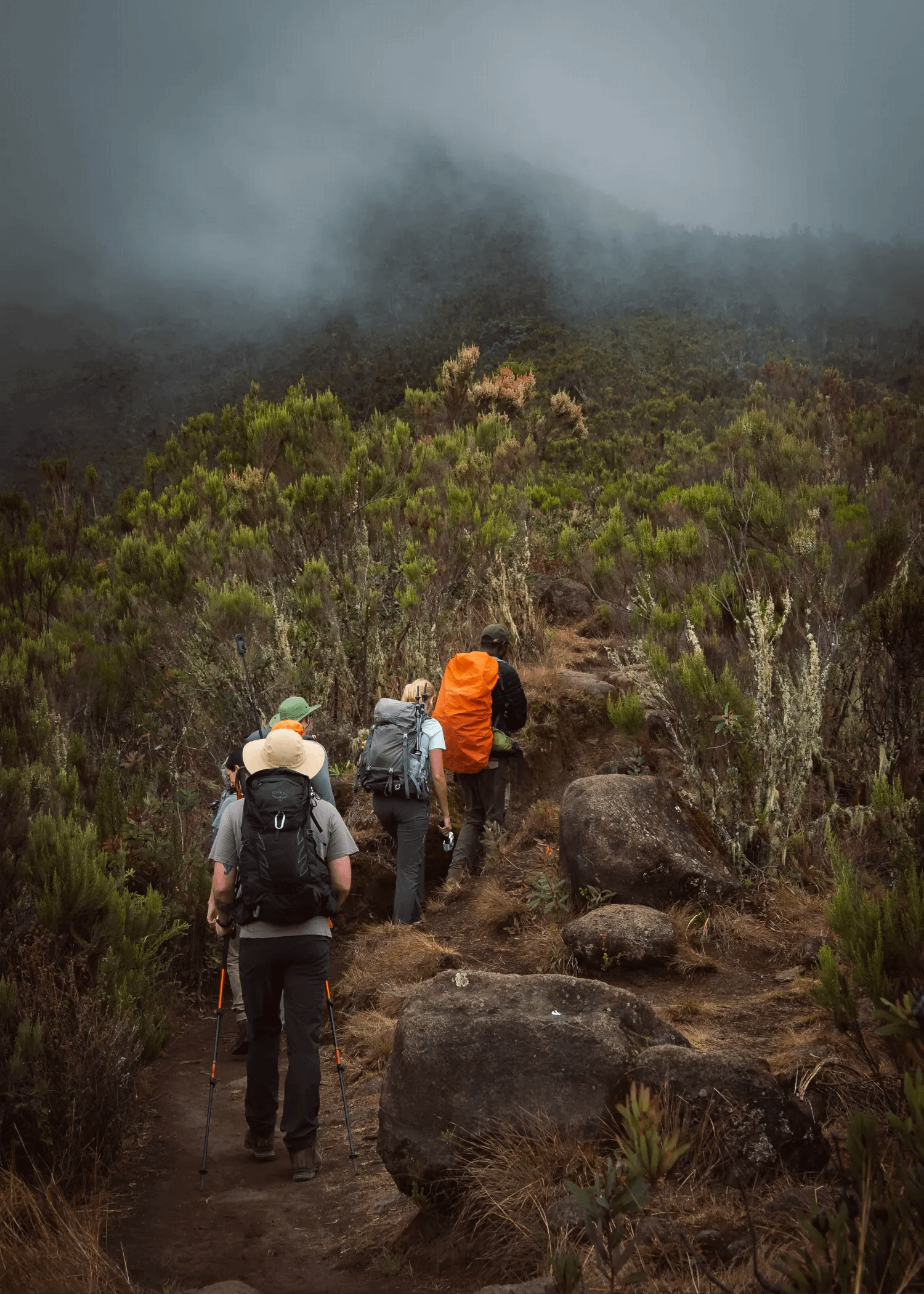
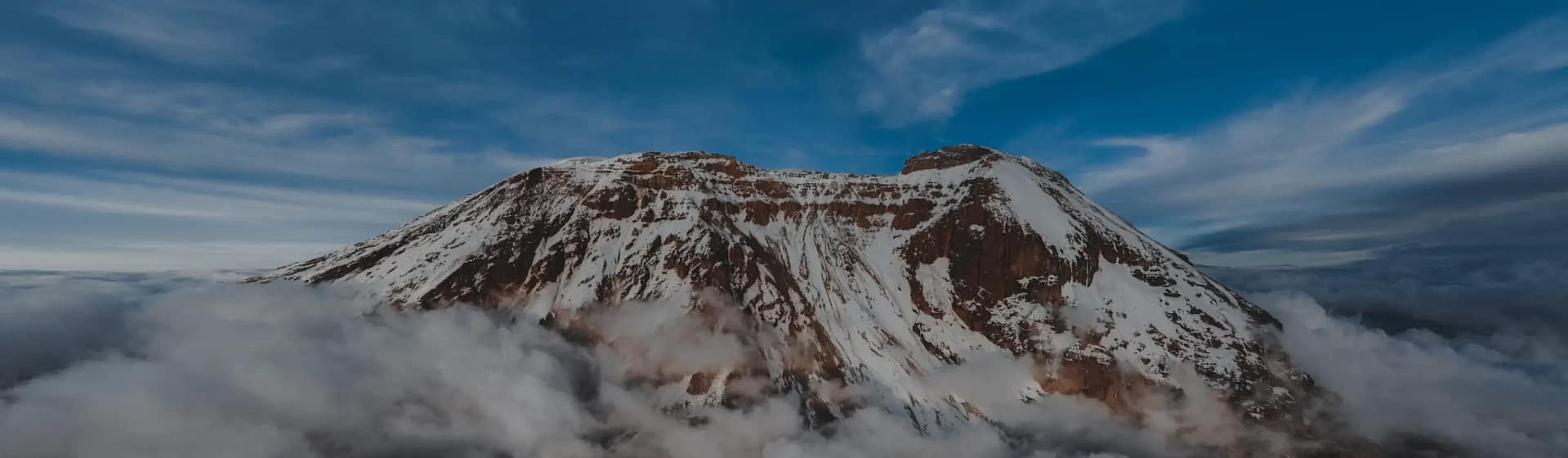
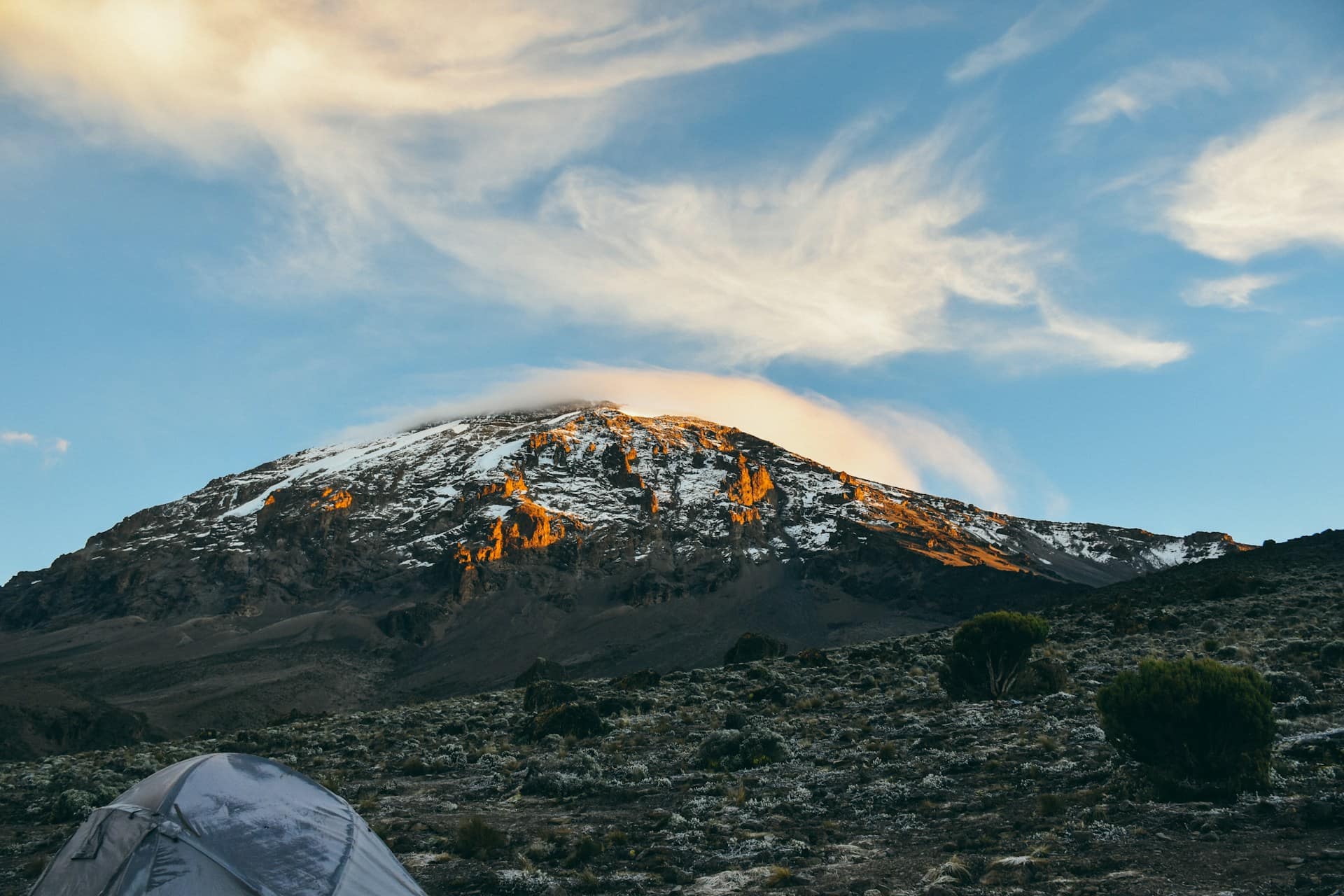
Rising 5,895 meters above the African plains, Kilimanjaro commands the horizon as both Africa’s highest peak and the world’s tallest freestanding mountain. This iconic summit offers an extraordinary challenge that’s remarkably accessible to active travelers and adventurous spirits ready to push their boundaries. Within just days, you’ll journey through an astonishing spectrum of ecosystems—from sun-warmed grasslands through lush rainforest canopies, across alpine meadows and stark moorlands, into desert highlands, and finally to the glaciated crown where ice meets sky.
The ascent requires no technical climbing skills, making it the perfect expedition for those seeking genuine adventure without extreme mountaineering experience. Each day reveals new landscapes and fresh challenges as you climb higher, your determination rewarded with increasingly spectacular views. This is more than a trek—it’s a transformative journey where the active traveler becomes a mountaineer, where ambition meets achievement, and where standing atop Africa becomes your defining moment.
Whether you’re an experienced hiker looking for your next conquest or an enthusiastic explorer ready to discover what you’re truly capable of, Kilimanjaro awaits. The mountain’s grandeur, accessibility, and the sheer diversity of its terrain make it an unparalleled adventure that combines natural wonder with personal triumph.
Offers drier conditions, wilderness solitude, and gradual ascent.
The significance of Mount Kilimanjaro, with its elevation of 5,895 meters (19,341 feet), should not be underestimated. Inadequate acclimatization can lead to high-altitude sickness, and regrettably, tragedies occur annually. A primary contributing factor is the selection of low-cost operators who often resort to inferior equipment. Furthermore, many of their unqualified guides lack essential first aid and emergency management skills, exacerbating the risks associated with high-altitude expeditions.
Standing at 5,895 meters (19,341 feet) above sea level, Mount Kilimanjaro represents one of the most achievable yet profoundly rewarding high-altitude climbs on Earth. Unlike technical mountaineering expeditions that require advanced climbing skills, Kilimanjaro is fundamentally a challenging trek that demands mental fortitude, proper preparation, and respect for altitude. Read our comprehensive climbing guide will walk you through every aspect of your Kilimanjaro adventure, from understanding the mountain’s unique characteristics to reaching Uhuru Peak and safely descending.
Additionally, Tanzanian regulations require all climbers of Kilimanjaro to book through registered tour operators and be accompanied by licensed guides. This requirement exists for good reasons: safety, environmental protection, and supporting local communities. Your choice of operator significantly impacts your experience, success rate, and the welfare of mountain crew.
No Technical Climbing Required – Unlike many high-altitude peaks, Kilimanjaro requires no mountaineering equipment or special technical skills—just determination and proper acclimatization
We assert that adventure should serve as a source of inspiration rather than exploitation. Each expedition that we facilitate generates meaningful employment opportunities for local families, fosters community development, and contributes to the preservation of the natural wonders that we are fortunate to explore.
As a leading tour operator for Mount Kilimanjaro, we offer regular climbing expeditions on four of the main routes. Our experienced guides ensure a safe and memorable adventure for all climbers.
Let’s make something great work together. Get A Free Quote
Planning a Mount Kilimanjaro climb requires careful coordination of numerous elements spanning logistics, physical preparation, financial budgeting, and administrative details. Unlike spontaneous weekend adventures, a Kilimanjaro climb demands months of planning to ensure safety, maximise success chances, and create a meaningful experience. Our comprehensive guide walks you through every planning stage, from initial research to departure day, providing the roadmap you need for a successful summit bid.
Whether seeking personal challenge, honoring someone, celebrating achievements, or simply pursuing adventure, keep your motivation visible throughout planning’s sometimes tedious phases. This mountain will test and reward you in ways you cannot yet imagine. Proper planning ensures you arrive ready to embrace everything Kilimanjaro offers.
The trek to Kilimanjaro is undeniably challenging, taking you to extreme altitudes. However, the slow pace allows for essential acclimatization, ensuring a safe and triumphant ascent. Embrace the journey by hiking on hills with a backpack for several months to build your strength and endurance.
As you consider altitude and its effects, it’s natural to have concerns. Yet, our commitment to a minimum of seven days for acclimatization ensures you are well-prepared. Explore our resources on health, altitude effects, and safe acclimatization, including insights on the use of Diamox during your adventure. Rise to the challenge and let this incredible experience transform you!
Find quick answers about bookings, accommodations, amenities, and adventure options – all in one place.
Kilimanjaro is challenging but achievable for anyone in good health with proper preparation. It's a trek, not a technical climb—no ropes or special skills needed. The challenge is altitude and sustained effort over 6-9 days. With adequate training (3-4 months), smart acclimatization (longer routes), and listening to your body, most people summit successfully. Our 96% success rate proves proper preparation works.
No previous high-altitude experience required. Regular hiking experience helps but isn't mandatory. We've guided everyone from experienced mountaineers to first-time hikers. What matters: good physical fitness, mental determination, and following your guide's pace. If you can hike 6-8 hours with a daypack and climb stairs for 30 minutes continuously, you can prepare for Kilimanjaro.
Minimum 12 weeks for someone already moderately fit. If you're sedentary, start 16-20 weeks out. Focus on cardiovascular endurance (hiking, running, cycling), leg strength, and long walks with weighted pack. Our free training plan provides detailed week-by-week guidance.
Minimum age is 10 (park regulation), though we recommend 12+. There's no maximum age—we've guided climbers into their 80s. Success depends on fitness and health, not age. Children must be mature enough to understand pace discipline and communicate symptoms. Seniors should get medical clearance and choose longer acclimatization routes.

We believe adventure should inspire, not exploit. Every expedition we guide creates meaningful employment for local families, supports community development, and preserves the natural wonders we’re privileged to explore.
* Sign up to receive curated travel ideas, seasonal discounts.
Copyright © 2025 All Rights Reserved.
